Looking at Fox Lake and wondering whether you should buy on the water or just near it? That choice can shape everything from your daily routine to your long-term costs. If you are weighing a lakefront home against an inland property in Fox Lake, this guide will help you compare access, upkeep, rules, and resale factors so you can make a more confident decision. Let’s dive in.
Fox Lake Basics to Know
Fox Lake is a large, shallow recreation lake in northwestern Dodge County. Wisconsin DNR sources list it at 2,625 acres, while a 2025 fishery report lists 2,713 acres, and Dodge County describes it as about 2,600 acres. It is heavily used for boating, waterskiing, and fishing, which gives it an active, social feel during peak season.
Public access plays a big role in how Fox Lake functions. The DNR notes public access at Clausen Park in the City of Fox Lake and at Town Park in the northwest corner. Shore-fishing access is also noted at several points, including launch areas, the Cambria Creek inlet, the Highway A and Highway 33 bridge, and the dam on the Mill Creek outlet.
That matters because Fox Lake is not a quiet private lake. With formal launches, shoreline access, and public use areas, some stretches can feel busier than buyers first expect. Your exact location on the lake can make a real difference in how private or active the setting feels.
Why Parcel Location Matters
In Fox Lake, the address alone does not tell the full story. The Town of Fox Lake and the City of Fox Lake are separate jurisdictions, and some properties may also fall in unincorporated areas. That can affect which offices handle permits, what local rules apply, and how access is managed.
For buyers, this is one reason due diligence matters so much. Two homes that both say “Fox Lake” may have very different zoning oversight, shoreline conditions, or nearby public activity. A property-by-property review is more useful than broad assumptions.
Why Buyers Choose Lakefront
The biggest reason to buy lakefront is convenience. You can step outside, reach your dock more easily, and enjoy the water without trailering a boat to a launch. If your goal is to make the lake part of everyday life, direct frontage offers the most seamless version of that lifestyle.
Lakefront also gives you a front-row connection to the setting. On a recreation lake like Fox Lake, that can mean morning views, easier fishing access, and more spontaneous use of your time on the water. For many buyers, that ease is the main value.
Lakefront Benefits at a Glance
- Direct access to the water
- Easier dock and pier use
- No need to rely on public launches for daily lake use
- Strong lifestyle appeal for boating and fishing
- A more immediate waterfront experience
Lakefront Tradeoffs to Consider
Lakefront ownership usually comes with more maintenance and more regulation. Wisconsin shoreland rules apply to unincorporated land within 1,000 feet of a navigable lake, and Dodge County administers shoreland protection, zoning, and land-use permits for county-zoned townships in the Fox Lake area. That means projects many buyers see as simple may require review.
On waterfront parcels, changes involving docks, piers, steps to the water, erosion control, grading, vegetation removal, and some structural work can trigger local or state oversight. The shoreline is not just part of your yard. It is a regulated area tied to water quality, habitat, recreation, and natural beauty.
The DNR also notes some important limits. New wet boathouses below the ordinary high-water mark are prohibited, and building or modifying a boat ramp can require a permit. Even activities below the ordinary high-water mark during low-water periods may need approval.
Shoreline Upkeep Is Part of Ownership
Many buyers picture a wide-open lawn running to the water. In practice, shoreline vegetation buffers and shoreland protections can limit clearing and redesign more than expected. If you want to change the shoreline look or improve access, it is smart to confirm what is allowed before you buy.
Fox Lake also has an ongoing water-quality story. DNR records say the lake shifted from clearer water conditions in earlier decades to a more turbid, algae-dominated condition, and the local lake protection district notes that quality can vary with snowfall, ice cover, wind, and rainfall. That means the water you see on a tour may not reflect conditions year-round.
Why Buyers Choose Inland Homes
An inland home near Fox Lake can offer a simpler ownership experience. You may have less shoreline maintenance, fewer waterfront-related improvement questions, and often more privacy from the activity that comes with a busy recreation lake. For many buyers, that lower-friction setup is a strong advantage.
Inland homes can also be a practical way to stay near the lake lifestyle without taking on every part of waterfront ownership. If you plan to use public launches, fish from public access points, or spend only part of your time on the water, inland living may fit your routine better than direct frontage.
Inland Benefits at a Glance
- Less shoreline-related maintenance
- Fewer direct waterfront improvement concerns
- Potentially more privacy from lake traffic
- Easier ownership for buyers who do not need daily dock access
- Real lake-use options through public access planning
The Biggest Inland Question: Access
With inland property, access is everything. In Wisconsin, people can use navigable waters only if public access is available or if they have permission to cross land to reach the water. Riparian owners are the ones with certain direct water-use rights, so being near the lake is not the same as having usable lake access.
That is why you should confirm the exact setup before closing. A property may be true lakefront, deeded access, shared frontage, association access, or simply nearby with no private rights at all. Those differences affect both daily use and long-term value.
Boat Storage Matters More Than Buyers Expect
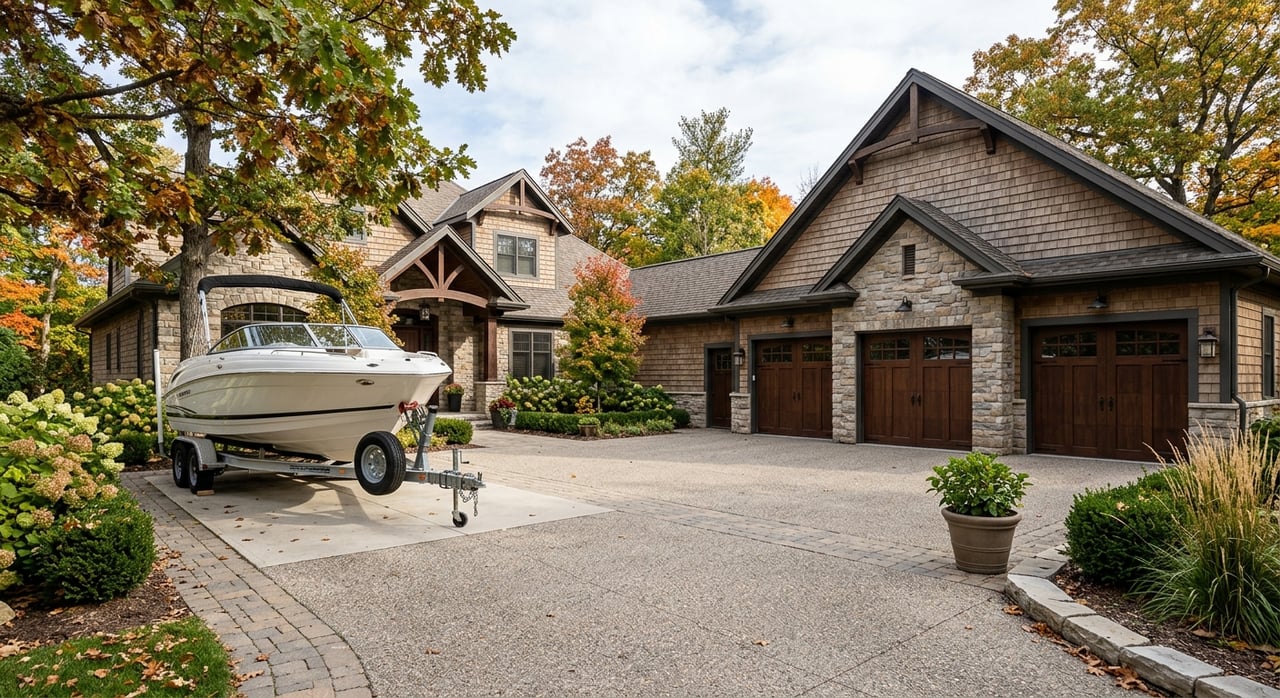
If you do not own frontage, your boat plan becomes part of the housing decision. You will want to know where the boat, trailer, and winter gear will be stored, whether you will trailer each trip, and whether storage costs or association fees belong in your monthly budget. On an active lake like Fox Lake, that planning can matter just as much as the purchase price.
Resale Factors for Lakefront and Inland Homes
When it comes to resale, waterfront homes tend to be more sensitive to water quality and shoreline character. Wisconsin DNR materials note that water clarity is strongly tied to what buyers will pay for lakefront property. Nearby traffic or noise, floodplain or wetland constraints, and special tax or district arrangements can also influence value.
On Fox Lake, it helps to look past the photos and ask practical questions. Is the home near a public launch, bridge, outlet, or dam area where activity may be higher? Is the shoreline exposed, eroding, or heavily vegetated? Are there known algae concerns or active lake-management considerations nearby?
Inland resale often depends on a different mix of strengths. Buyers may focus more on privacy, ease of ownership, storage, and how realistic lake access is from that address. A well-located inland home with a clear and workable lake-use plan can still hold strong appeal.
Questions to Ask Before You Tour
Whether you lean lakefront or inland, a few early questions can save time and help you compare homes more clearly.
- Is the property true lakefront, deeded access, shared access, or nearby only?
- What shoreline changes or improvements are allowed, and who approves them?
- Are existing dock or pier permissions already in place?
- Is the home in the county shoreland zone or another zoning jurisdiction?
- How busy is this stretch of Fox Lake during peak season?
- Where will the boat, trailer, and winter gear be stored?
- Are there lake-district assessments, association fees, or other special charges?
Which Option Fits You Best?
If you want direct water access, easy dock use, and a lifestyle built around stepping outside and getting on the lake, lakefront may be the better fit. You will likely take on more upkeep and more rules, but for many buyers, the convenience is worth it.
If you want flexibility, lower maintenance exposure, and a simpler ownership experience, inland may be the smarter move. On Fox Lake, public access points create real opportunities to enjoy the water without owning the shoreline, but those options work best when access and storage are clearly planned.
The right choice usually comes down to how you actually want to use the lake. If you match the property type to your routine, budget, and comfort with maintenance, you are much more likely to feel good about the decision long after closing.
If you are comparing Fox Lake properties and want local guidance on how a specific parcel, shoreline setup, or access arrangement may affect your decision, Better Homes and Gardens Real Estate Special Properties is here to help.
FAQs
What is the difference between lakefront and inland property in Fox Lake?
- Lakefront property has direct frontage on Fox Lake, while inland property is off the water and may rely on deeded access, shared access, association access, or public launches.
What should you verify before buying a Fox Lake lakefront home?
- You should confirm shoreline rules, permit history, existing dock or pier permissions, jurisdiction, nearby public activity, and current shoreline conditions.
Can an inland home near Fox Lake still work for boating?
- Yes, but only if you have a clear access plan through public launches or documented private access, plus a practical storage plan for your boat and trailer.
Do Fox Lake waterfront properties have more maintenance?
- In many cases, yes. Waterfront ownership can involve shoreline vegetation, erosion concerns, dock or pier issues, and added review for certain property changes.
Why does location on Fox Lake matter so much?
- Different parts of the lake can have different activity levels, access points, shoreline conditions, and permitting jurisdictions, which can all affect day-to-day use and resale.