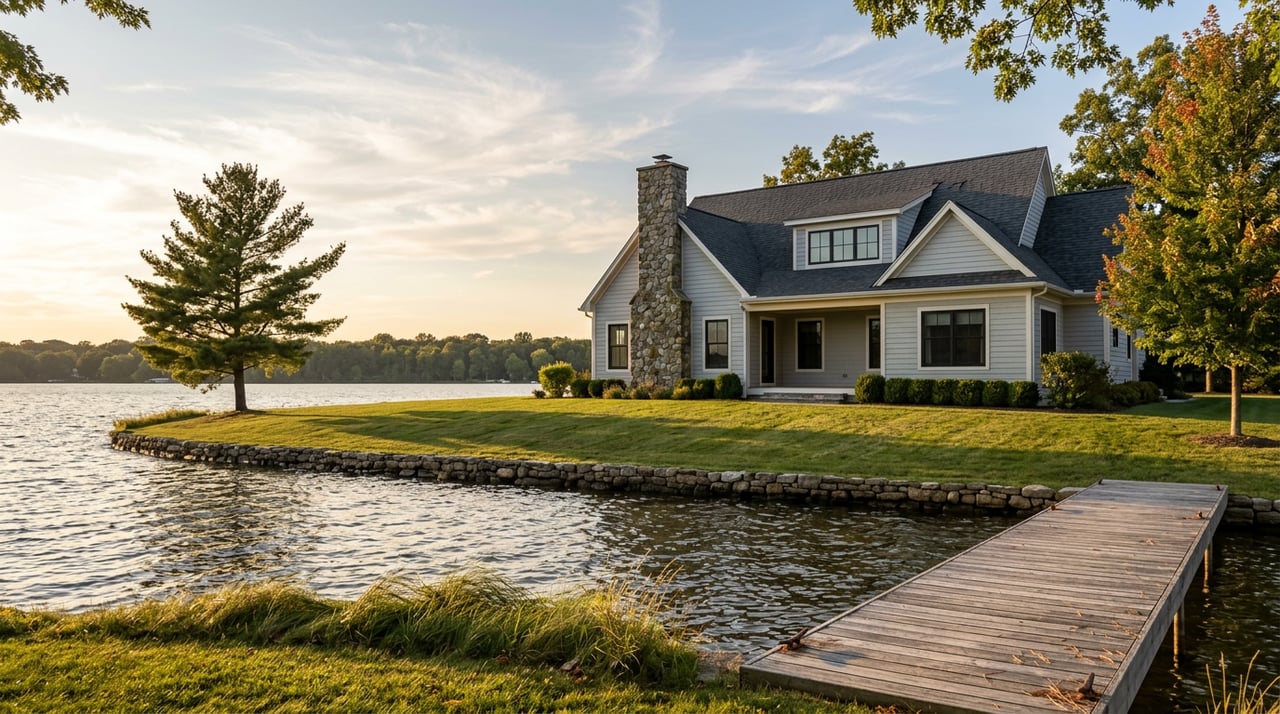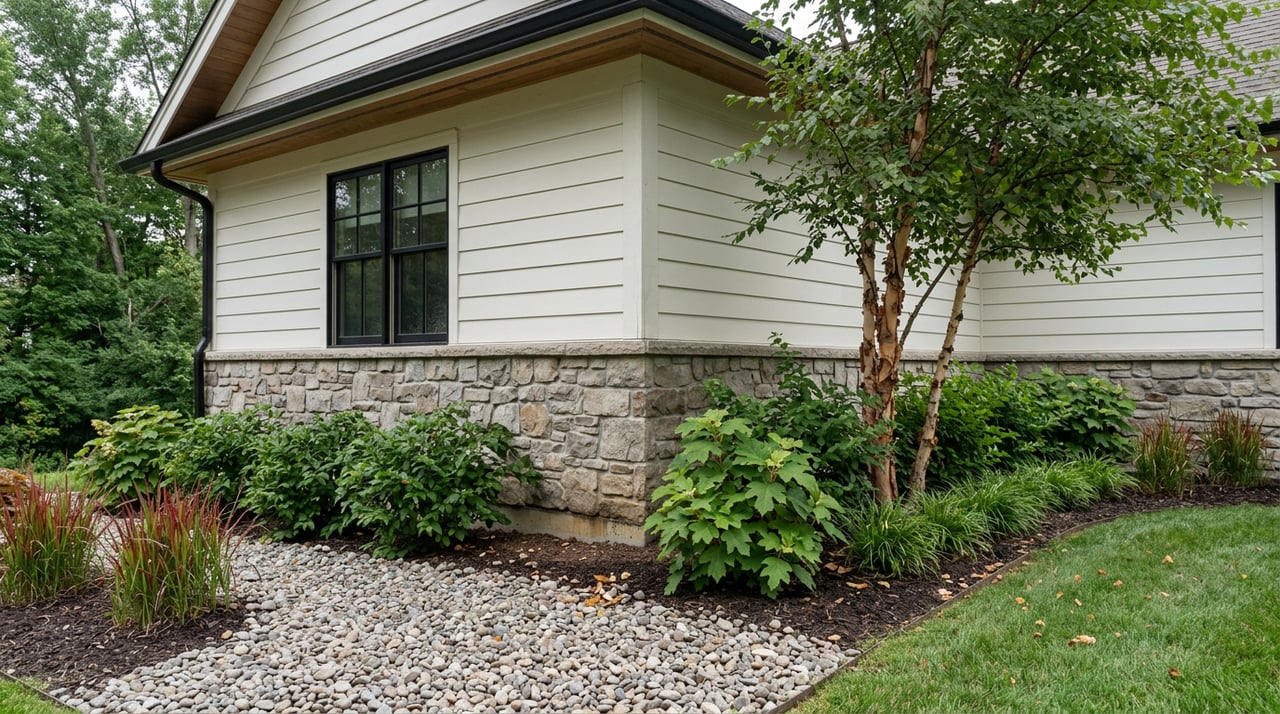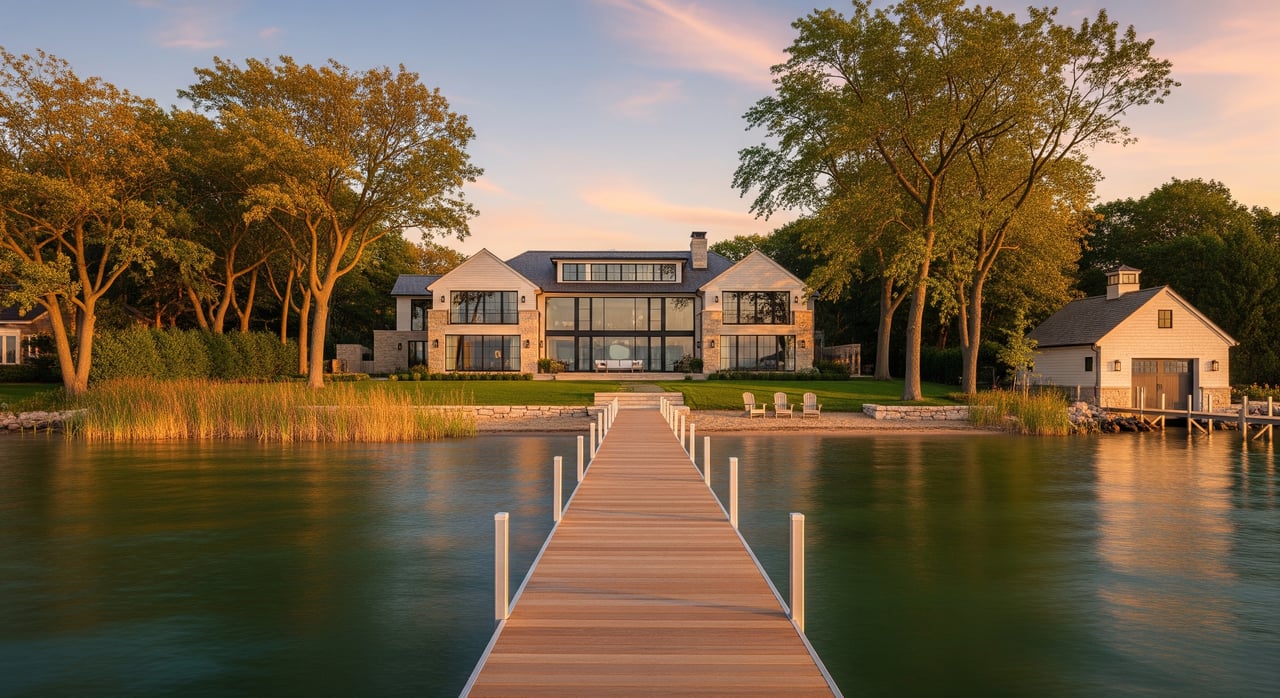
Picture yourself stepping from your back door to your own pier as the sun comes up over Green Lake. If you are exploring lakefront here, you already know the lifestyle is special. What you may not know is how many details shape what you can build, how you can use the shoreline, and what it costs to own over time. This practical checklist walks you through the rules, inspections, boat traffic, seasonality, and financing so you can buy with confidence. Let’s dive in.
Confirm shoreland rules and setbacks
Before you fall in love with a view, verify the rules that apply to the parcel. Wisconsin shoreland zoning is implemented locally, so Green Lake County and the City of Green Lake set and enforce setbacks, lot coverage, and impervious surface limits. Ask for the property’s official zoning designation and a copy of the shoreland ordinance that applies.
If you plan changes, get clear on what triggers permits. Adding or enlarging a dock, altering shoreline vegetation, or installing shore protection typically requires approval. Natural stabilization is often preferred over hard armor, and replacing older structures can bring new standards into play.
Pier and dock due diligence
Docks and lifts are central to your enjoyment of the lake and often the most complex part of a purchase. Use these checkpoints early.
Ownership and title
- Who owns the dock? Confirm if it is tied to the parcel, shared, or licensed through an easement or association.
- Review the deed and title for riparian rights, recorded easements, covenants, and any shared slip agreements.
Permits and compliance
- Verify permits for the existing dock, boatlifts, and any boathouse. Confirm who holds the permit.
- Identify lateral placement rules, size limits, and whether any “grandfathered” status would change if you replace the structure.
Condition and maintenance
- Order a dock inspection to review structure, anchoring, flotation, and any electrical or fuel lines.
- Request estimates for repairs or replacement so you can budget realistically.
Seasonal removal and winterization
- Ask whether seasonal removal is customary or required. Winter ice can damage fixed structures and lifts.
- Clarify who is responsible for removal, storage, and liability for ice damage.
Insurance and liability
- Check with your insurer about coverage for piers, lifts, and guest injuries. You may need special endorsements.
Riparian rights and easements
Not all waterfront is the same. Some lots have shared access or dock agreements that limit placement and use. Others include private frontage but are subject to local ordinances.
- Review recorded documents for any restrictions on shoreline use.
- Confirm whether neighbors hold access rights or if an HOA manages shared facilities and fees.
Septic, well, and sanitary systems
Many Green Lake properties rely on private wells and onsite wastewater systems.
- Require a septic inspection and obtain county sanitary records to confirm permits and system type.
- Understand replacement timelines and costs if the system is near the end of its life.
- Schedule a well inspection and water quality testing, and review any treatment history.
Floodplain and insurance
Waterfront parcels may be in FEMA-designated flood zones or locally regulated floodplains. These designations affect building elevations and insurance needs.
- Confirm the property’s flood zone and ask local staff if floodplain ordinances apply.
- If a lender requires flood insurance, get a premium estimate early. Even when not required, coverage is often advisable for lakefront.
Boat traffic and lifestyle fit
Boat traffic, events, and nearby public access points shape day-to-day enjoyment.
Visit at different times
- Visit on weekdays and weekends, early mornings and evenings in summer, to gauge typical noise and congestion.
- Ask about local no-wake or slow-no-wake zones near the property and any temporary event restrictions.
Public launches and marinas
- Identify the nearest public boat launches and marinas. Proximity can add convenience but also increase traffic and noise at peak times.
- Note seasonal patterns and holidays, which often bring heavier use.
Community events and norms
- Check with local marinas, lake associations, or the municipality about regattas, fireworks, and recurring events that affect traffic.
- Ask about community efforts to manage heavy boat use or educate on safe operations.
Winter access and safety
Green Lake is active year-round, but winter changes everything.
- Do not assume safe ice. Consult local reports or lake association updates on ice thickness and safety guidance.
- Confirm whether public or private roads serving the property are plowed. Some areas rely on road associations for winter maintenance.
- Ask about practices for winterizing docks and storing boats when the lake freezes.
Financing, appraisal, and loan types
Lakefront can be premium-priced and unique, which affects financing.
Appraisals and comparables
- Waterfront homes often have limited comps. Work with lenders and appraisers familiar with Green Lake who understand frontage, views, and shoreline improvements.
- Prepare for appraisal contingencies and be ready to provide recent waterfront sales for context.
Loan options and second-home rules
- Higher prices may require jumbo or portfolio loans with larger down payments or stricter underwriting.
- If this is a second home or investment property, expect different reserve and documentation requirements.
Inspections for lenders
- Plan for full home, septic, and well inspections, along with shoreline and dock evaluations. Some lenders require proof that systems function properly.
Taxes, fees, and associations
Waterfront properties often carry higher assessments and may include shared costs.
- Request current tax statements and any pending special assessments.
- If an HOA or dock association exists, review bylaws, fees, meeting minutes, and reserve funds.
Your Green Lake buyer checklist
Use this step-by-step list as you evaluate any property:
- Title and legal review
- Obtain a current title report. Confirm riparian rights, recorded easements, and any shoreline restrictions.
- Permits and zoning
- Verify zoning and shoreland setbacks with Green Lake County and, if applicable, the City of Green Lake.
- Confirm permits for existing docks and shoreline work. Ask what approvals you would need for planned changes.
- Physical inspections
- General home inspection.
- Septic inspection and county sanitary records review.
- Well inspection and water testing.
- Dock and shoreline structure inspection with repair or replacement estimates.
- Environmental and AIS checks
- Ask the lake association or state program contacts about aquatic invasive species status and follow Clean-Drain-Dry practices.
- Inquire about any history of shoreline erosion or harmful algal blooms.
- Flood and insurance
- Verify flood zone and obtain homeowner and flood insurance quotes before writing an offer.
- Use and access
- Confirm road maintenance and winter plowing responsibilities.
- Visit at multiple times of day and week to assess boat traffic and noise.
- Financing and appraisal
- Get pre-approval with a lender experienced in waterfront and jumbo loans.
- Discuss appraisal expectations and potential comp challenges early.
- Association and community
- If applicable, obtain HOA or dock association rules, fees, and recent minutes.
- Ask local contacts about events and boating norms.
- Timing and seasonality
- Tour in peak summer to see traffic patterns and in winter to understand access and maintenance.
- Specialists to consult
- Local real estate agent with Green Lake waterfront experience.
- County zoning and planning staff.
- State-level contacts for docks and AIS questions.
- Marine contractor for lifts and winterization.
- Certified septic and licensed well professionals.
- Local lender with waterfront expertise.
Work with local specialists you can trust
Buying lakefront on Green Lake is as much about the right questions as it is about the right view. A seasoned local team helps you verify permits, line up specialized inspections, anticipate seasonal needs, and navigate financing for unique properties. If you are ready to take the next step, connect with the team that combines boutique, community-rooted service with franchise-scale reach at Better Homes and Gardens Real Estate Special Properties. We are here to help you buy with clarity and confidence.
FAQs
Who typically owns the dock on a Green Lake property?
- Ownership can be tied to the parcel, shared through an association, or held by easement or license. Review the deed, title, and any recorded dock agreements or permits to confirm.
Can I build a larger dock or add a boathouse?
- Possibly. You must confirm local shoreland regulations and state rules, and whether existing structures are grandfathered. Replacement or expansion often triggers modern standards and permits.
Do I need flood insurance for a Green Lake home?
- If FEMA maps place the property in a flood zone and you finance the purchase, your lender may require it. Even when not required, flood insurance is often advisable for waterfront homes.
Are aquatic invasive species an issue on Green Lake?
- Wisconsin waters are monitored for AIS. Ask local lake associations or state program contacts for current listings, and follow Clean-Drain-Dry practices when moving boats or gear.
Will my appraisal support the loan amount?
- Waterfront properties can be challenging due to limited comparable sales. Work early with a lender and appraiser who understand Green Lake and prepare recent comps that reflect frontage, view, and shoreline improvements.