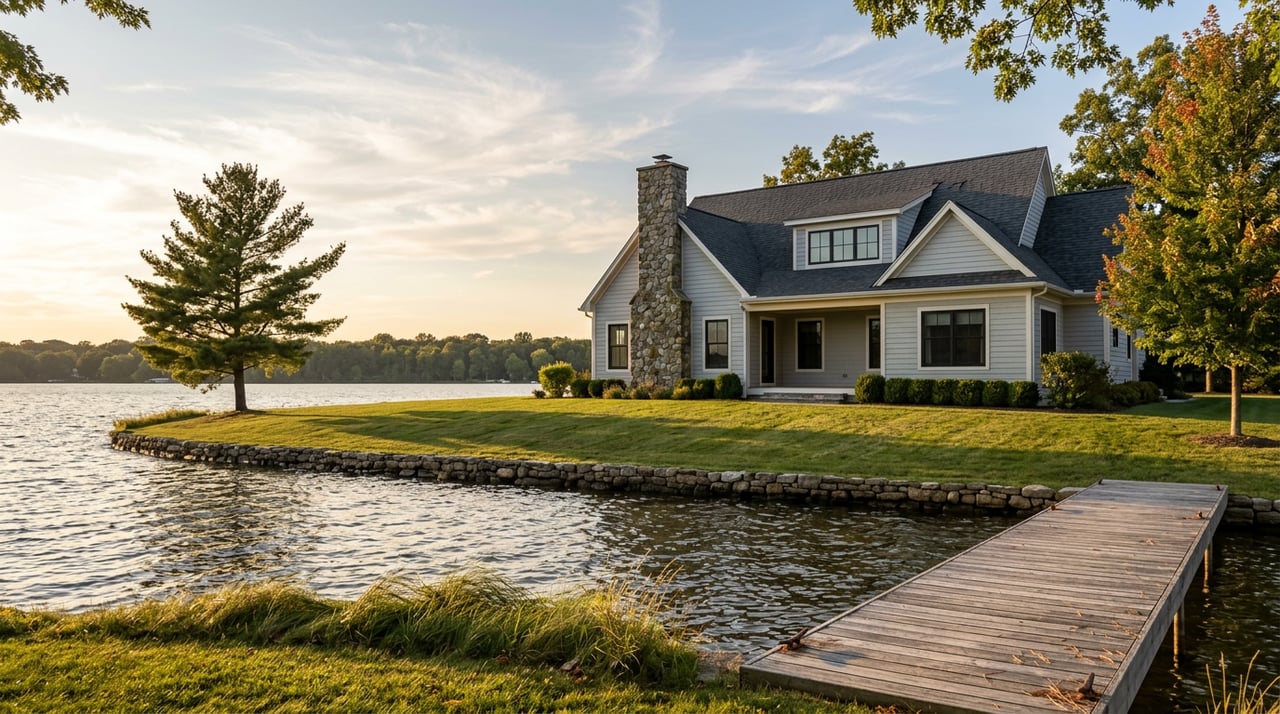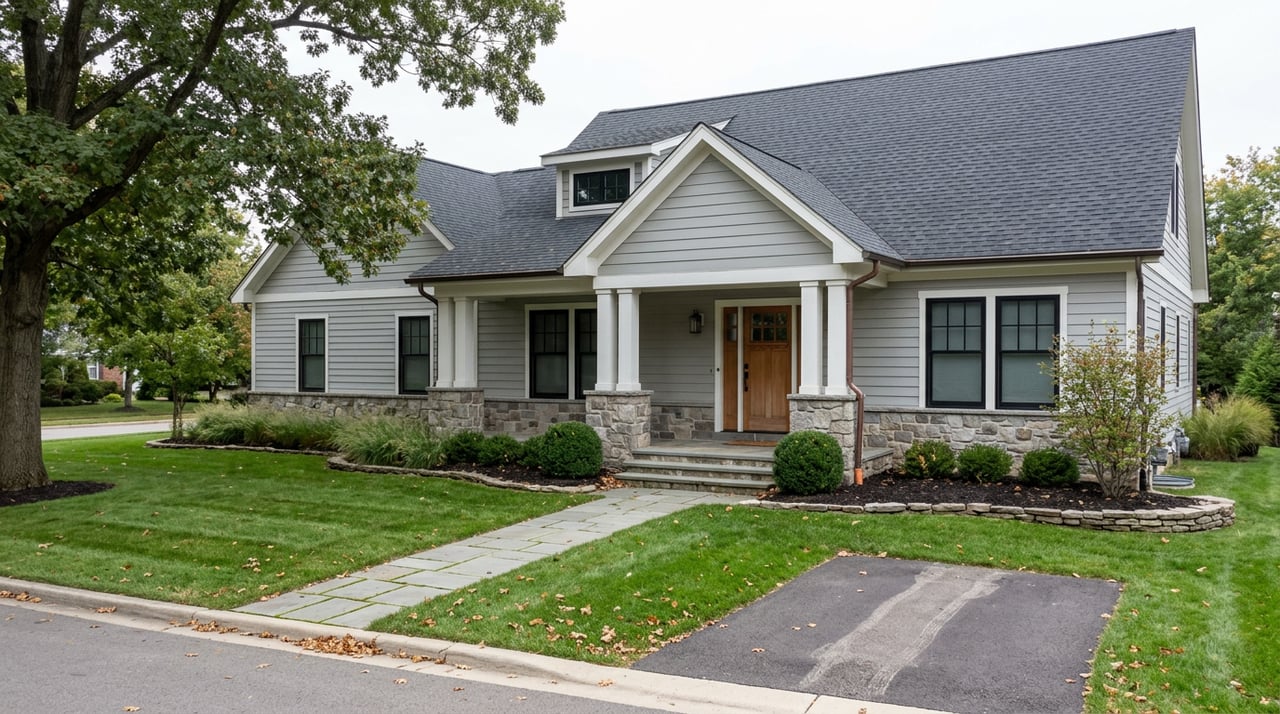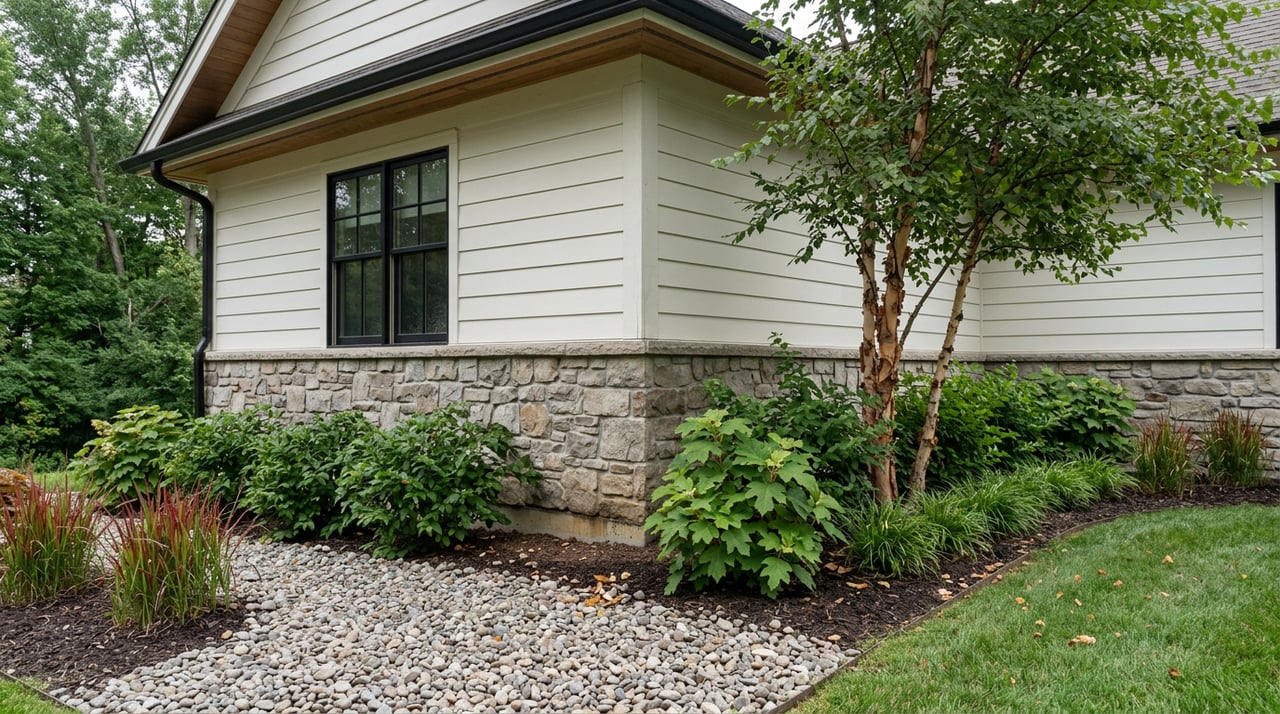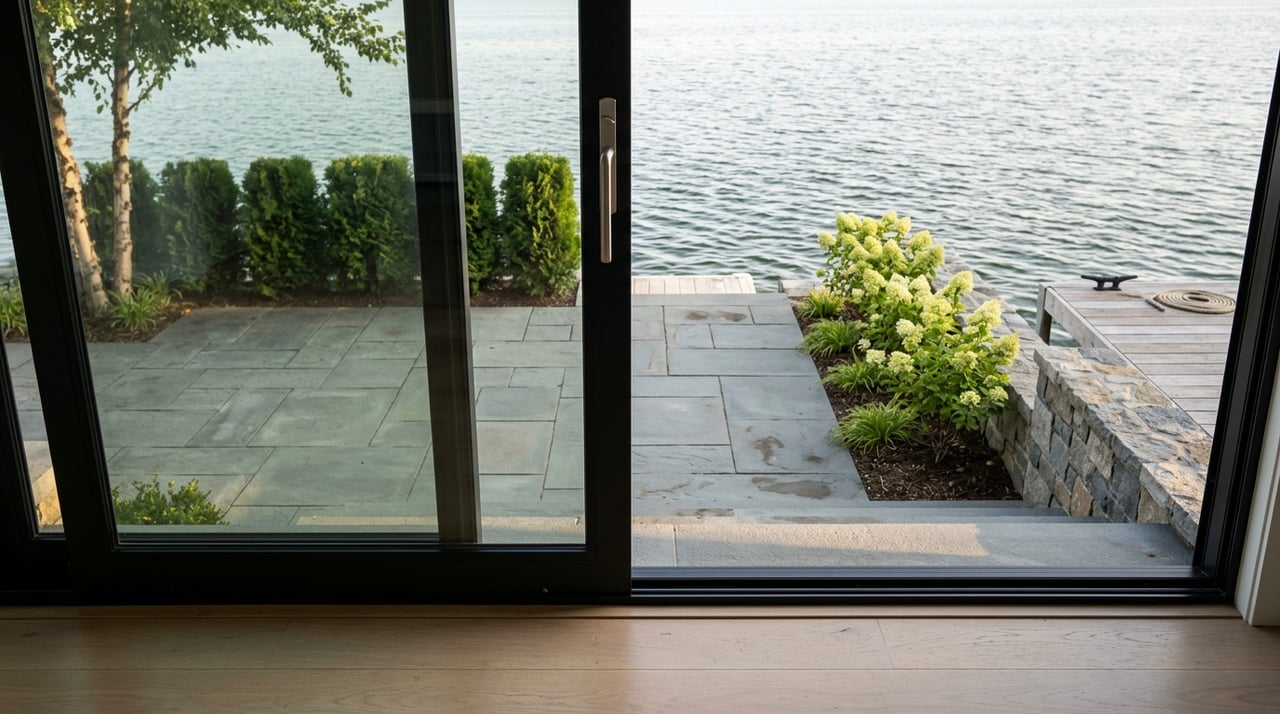
Thinking about listing your Green Lake lakefront home? The biggest mistake many sellers make is treating it like any other property. On Green Lake, buyers are judging much more than square footage and finishes. They are also weighing frontage, dock use, shoreline condition, and the day-to-day lake experience. If you want a smoother sale and a smarter strategy, the key decisions happen before your home ever hits the market. Let’s dive in.
Why Green Lake lakefront needs a different strategy
Green Lake is not a typical market, and lakefront pricing should not be built from broad townwide averages. Current public market snapshots vary quite a bit by source, with Redfin showing Green Lake waterfront homes for sale at a median listing price of $449,000 and about 129 days on market, while broader Green Lake market numbers differ substantially across platforms. That spread is a useful reminder that lakefront value depends on waterfront-specific comps, not generic citywide figures.
The lake itself is part of what buyers are purchasing. According to the Wisconsin DNR, Green Lake spans 7,920 acres, reaches a maximum depth of 236 feet, and includes 8 boat landings, 3 beaches, and 6 public lands and parks. In practical terms, that means your listing has to tell the full story of how the home lives on the water, not just how it looks from the street.
Decide when your home will show best
One of the first choices is timing. Waterfront buyers often care about what they can see, use, and feel during a visit, so the season matters more here than it might for an inland home. UW Extension notes that buyers consider how a waterbody looks across the seasons, which means your listing calendar should reflect shoreline appearance, dock use, and how the property reads from both land and water.
Before peak boating season
Listing before peak boating season can work well if your shoreline is tidy, your pier area is in good order, and your property benefits from a quieter on-water setting. Buyers may get a clearer sense of privacy, shoreline shape, and access without as much boat traffic. This window can also help you get ahead of competing summer inventory.
During peak boating season
Listing during the active boating months can be a strong choice when your property shines as a lifestyle home. If the dock is usable, the shoreline is attractive, and the setting feels inviting from the lake, buyers can more easily picture summer weekends there. This timing is especially useful when your home’s value is closely tied to recreation and lake access.
What matters most for timing
The best answer is not always “spring” or “summer.” It is the point in the year when your property looks honest, functional, and appealing. If your shoreline, pier setup, and outdoor spaces are central to value, you want buyers to experience them in a way that feels complete and easy to understand.
Price from lakefront facts, not broad averages
A lakefront pricing strategy should start with details that matter specifically on the water. Frontage, shoreline condition, dock usability, boat-slip potential, and permit history can all affect how buyers see value. In a thin and segmented market like Green Lake, small differences can have a meaningful impact.
Wisconsin DNR rules state that the number of boat slips on a new non-commercial pier depends on shoreline owned, with up to two slips for the first 50 feet and one additional slip for each additional full 50 feet. If a new pier does not meet exemption criteria, it requires a DNR permit. These details matter because buyers often pay close attention to how the waterfront can actually be used.
Green Lake County rules also shape value and future flexibility. County code requires a 75-foot setback from the ordinary high-water mark for buildings and structures unless exempt, and it limits building height to 35 feet within 75 feet of the water. For sellers, that means price discussions should include not only what exists today, but also what a future owner may or may not be able to change.
Gather waterfront documents early
Before listing, it helps to organize the paperwork and property details buyers are likely to request. Waterfront buyers tend to ask more detailed questions than traditional buyers, and quick, accurate answers can build confidence early.
Focus on collecting information such as:
- Shoreline frontage measurements
- Pier or dock details
- Any permit records related to waterfront structures
- Information on grandfathered or legacy improvements
- Notes on shoreline condition or prior stabilization work
- Property survey or site materials, if available
If the property includes a pier, dock, boathouse, boat shelter, or swim raft, it is especially important to understand whether each feature is exempt, grandfathered, or permitted. The Wisconsin DNR states that legacy piers first placed before April 17, 2012 may be exempt, while newer piers must meet exemption criteria or obtain a permit. Having that information ready can make pricing and negotiations much clearer.
Choose cosmetic prep that helps, not hurts
Waterfront sellers often assume they should make the shoreline look cleaner and more open before listing. In reality, some changes that seem simple can become zoning or permitting issues. Green Lake County shoreland zoning applies to property within 1,000 feet of navigable lakes and regulates setbacks, impervious surfaces, and structures such as patios, walkways, and boathouses.
That means your prep plan should focus on presentation without crossing into shoreline alteration. In most cases, cleanup, safety, and access are smarter priorities than major physical changes. Buyers want a shoreline that feels cared for and usable, but they also want confidence that the property has been handled responsibly.
Smart pre-listing improvements
The most effective cosmetic prep is usually straightforward and low risk. Good examples include:
- Cleaning up leaves, branches, and debris
- Making paths and steps safer and easier to walk
- Refreshing outdoor seating or dock-adjacent gathering areas
- Trimming where allowed for access and views
- Improving overall neatness around the waterfront edge
These steps help buyers see the property clearly without creating questions about whether recent work needed approval.
Updates that may trigger problems
Some last-minute upgrades can create more risk than value. Green Lake County says impervious surfaces are limited to 15% or to the existing percentage before new construction, so hardscape additions or major surface changes may be a permitting issue rather than a simple cosmetic decision.
That can include projects like expanded patios, added walkways, or other surface changes near the shoreland area. If the property already includes nonconforming features or a more developed shoreline, county mitigation rules may also come into play when structures or impervious surfaces are altered or expanded.
Keep vegetation attractive and compliant
One of the most common seller questions is how much vegetation should stay in place. On lakefront property, vegetation is not just a backdrop. It can affect privacy, views, shoreline stability, and compliance.
Green Lake County code allows an access or viewing corridor of up to 35 feet for every 100 feet of frontage. The Wisconsin DNR also states that limited clearing and trimming may be done for a view to the water and access paths, but intensive clearing is otherwise restricted in shore impact zones, bluff impact zones, and steep slopes.
The practical goal is balance. You want the shoreline to look open enough for buyers to appreciate the water, while still preserving the natural setting that supports scenic beauty and protects the shoreline. The DNR also notes that native shoreline buffers help protect water quality, fish and wildlife habitat, and privacy.
In other words, avoid turning the waterfront into a bare strip just to make it look manicured in photos. A natural, well-maintained shoreline usually tells a better story than an over-cleared one.
Plan photos and marketing around real use
The strongest lakefront marketing feels beautiful, but also truthful. Waterfront buyers are quick to notice when photos make the shoreline look different from how it actually functions. That is why staging and photography should reflect the real water experience as closely as possible.
DNR shoreline materials explain that adding sand or removing aquatic vegetation can affect habitat and may require permits. For sellers, the takeaway is simple: present the shoreline honestly. Show the dock, access points, water edge, and outdoor living areas in a way that helps buyers understand how the property works day to day.
This is where experienced local marketing matters. A lakefront listing should capture not only the home itself, but also the wider setting, including shoreline context, lake views, and how the property sits on Green Lake.
Prepare for showings from the water
Some buyers will want to experience a Green Lake property from the lake itself, not just from the driveway. That can be especially important when dock layout, shoreline visibility, and boating access are major parts of the home’s value.
Because Green Lake includes multiple public landings, beaches, and public lands and parks, buyers may encounter more water traffic and visibility than they would on a more secluded inland waterfront. That makes showing logistics important. Timing, dock access, privacy, and shoreline presentation all deserve planning.
What buyers may ask on a water-based showing
Expect detailed questions such as:
- How easy is it to approach and tie up at the pier?
- How does the shoreline look and function during the season?
- Is there visible erosion or prior stabilization work?
- What can be changed without permits?
- How much vegetation management is allowed?
- How does the property feel from the water compared with the road?
The Wisconsin DNR notes that low water does not remove permit obligations, and it encourages natural vegetation and biological shoreline stabilization where possible. So it helps to be ready with accurate information instead of guessing during a showing.
Think like a buyer before you list
The best pre-listing decisions come from seeing your property the way a waterfront buyer will. They are likely comparing not just homes, but also frontage, use rights, shoreline character, privacy, and future flexibility. A clean kitchen and fresh paint matter, but on Green Lake, the waterfront details often carry equal weight.
That is why a thoughtful listing plan should answer a few core questions before launch:
- Does the price reflect true lakefront comps?
- Does the timing match when the property shows best?
- Are shoreline, dock, and use details documented clearly?
- Have cosmetic updates stayed within sensible limits?
- Will photos and showings help buyers understand the real experience?
When those pieces come together, your listing is more likely to attract serious buyers and hold up well during negotiations.
If you are getting ready to sell, a local lakefront strategy can make a meaningful difference in how your property is positioned and perceived. The team at Better Homes and Gardens Real Estate Special Properties brings deep Green Lake market knowledge, high-touch service, and tailored marketing designed for unique waterfront homes.
FAQs
When does a Green Lake lakefront home usually show best?
- A Green Lake lakefront home often shows best when the shoreline, dock area, and outdoor spaces are fully usable and visually clear, which may be before or during peak boating season depending on the property.
How should you price a Green Lake lakefront home?
- You should price a Green Lake lakefront home using waterfront-specific comparable sales and property details such as frontage, shoreline condition, dock usability, and permit history rather than broad townwide averages.
What cosmetic updates are usually safe before listing a lakefront home?
- Safer pre-listing updates for a lakefront home usually include cleanup, access improvements, minor allowed trimming, and general maintenance rather than new hardscaping or shoreline alteration.
How much vegetation can you clear on Green Lake frontage?
- Green Lake County code allows an access or viewing corridor of up to 35 feet for every 100 feet of frontage, while broader intensive clearing is restricted in certain shoreline-sensitive areas.
Why do dock and pier details affect a Green Lake home’s value?
- Dock and pier details affect value because buyers often want clarity on slip potential, usability, and whether structures are exempt, grandfathered, or permitted under Wisconsin DNR rules.
What should sellers expect during a Green Lake water-based showing?
- Sellers should expect buyers to ask practical questions about approach, visibility from the water, shoreline condition, vegetation, erosion, and whether waterfront features or changes may require permits.