If you own a historic or character home in Ripon, you may be wondering how to honor its charm and still sell with confidence. Older homes often come with standout details, unique layouts, and a few extra questions from buyers. The good news is that with the right pricing, preparation, and marketing approach, you can turn those details into a real advantage. Let’s dive in.
Why Ripon stands out for older homes
Ripon is a natural fit for historic and character properties. According to the City of Ripon’s housing analysis, 39% of the city’s housing stock was built before 1960, and 84% was built before 2000. That means older homes are not unusual here. They are a meaningful part of the local market.
That local context matters when you sell. Buyers in Ripon are more likely to encounter homes with original woodwork, older masonry, porches, built-ins, or architecture that reflects another era. The same city analysis also describes Ripon as a seller’s market with limited inventory, and reported March 2026 median sale price data shows a median sale price of $260,000, up 15.5% year over year.
Historic home or simply older home?
Not every older home is officially historic, and that distinction is important. A home can have strong architectural character without being formally designated by the city or listed as part of a historic district. In practice, that means two homes of a similar age may have very different approval requirements for future exterior work.
The Wisconsin Historical Society says property records can help show whether a property is listed individually or as a contributing property within a district. Ripon’s city code also says the council may designate historic structures, sites, or districts and should seek owner approval before designation. If you are preparing to sell, knowing where your property stands can help you answer buyer questions early and avoid confusion later.
Ripon’s character is diverse
Ripon’s historic housing is not all one style. Recognized districts and significant properties in the area include the Southwest Historic District, Tygert Street Historic District, Watson Street Commercial Historic District, and Ripon College Historic District. Across those places, the Wisconsin Historical Society records architectural styles such as Greek Revival, Italianate, Queen Anne, Classical Revival, Commercial Vernacular, and Art Deco.
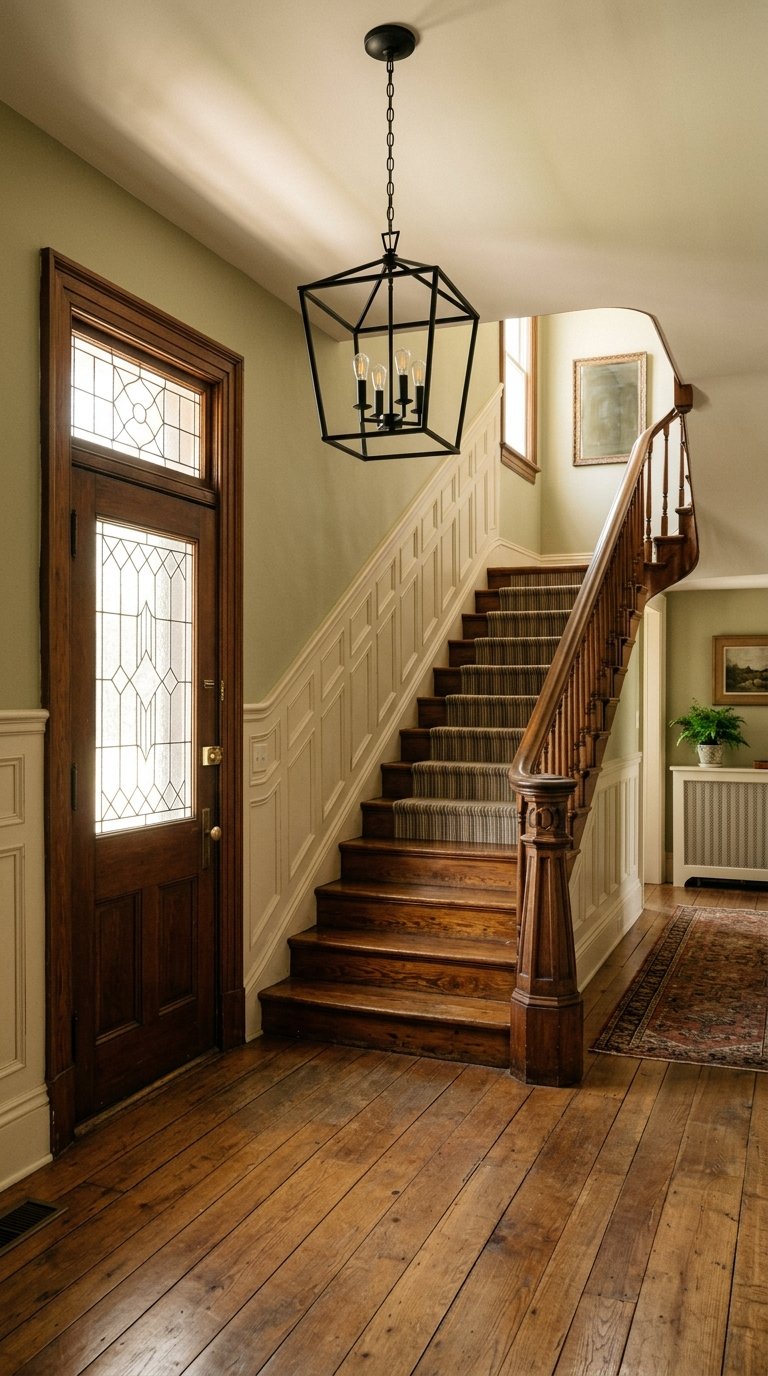
That variety creates opportunity for sellers. Your home may appeal because of carved trim, bay windows, cream-brick details, decorative porch features, original doors, or a distinctive façade that stands out from newer homes. The key is to present those details as assets, not as quirks that buyers have to figure out on their own.
Price with proof, not just charm
A character home should not be priced on age alone. Appraisers look at condition, construction, features, and recent comparable sales. For a home with uncommon details or a layout that does not line up neatly with newer nearby properties, careful documentation becomes even more important.
That is why your pricing strategy should separate original character from deferred maintenance. Beautiful millwork, historic windows, masonry, porches, or period details can add appeal, but buyers and appraisers also want to understand the current condition of the roof, foundation, systems, and updates. When those facts are clearly documented, your home’s story becomes easier to support.
What helps support value
A strong seller file can make a real difference, especially for a distinctive home. Useful materials may include:
- A short list of original architectural features
- A timeline of major updates and repairs
- Copies of permits or Certificates of Appropriateness, if applicable
- Records for exterior work, window work, masonry repair, or porch repairs
- Notes on electrical, plumbing, HVAC, roofing, or foundation updates
- Any available lead-related reports or disclosure materials that apply
Ripon’s own Certificate of Appropriateness application asks for detailed information such as distinguishing features, materials, design plans, and supporting documentation. That same level of detail can help a buyer and appraiser understand what makes your property special.
Disclosures matter in older homes
When you sell a 1- to 4-unit residential property in Wisconsin, Chapter 709 generally requires the owner to provide a completed residential real estate condition report no later than 10 days after acceptance of a contract of sale or option contract. If the report is not provided on time, the buyer may have rescission rights within 2 business days after that 10-day period ends.
For older homes, precise disclosure matters. Buyers often want clarity around water intrusion, structural issues, electrical or plumbing updates, and known defects. It is usually more helpful to be specific about what is known, repaired, updated, or tested than to rely on vague statements about the home having “good bones.”
Lead-based paint rules may apply
If your home was built before 1978, federal lead-based paint disclosure rules may apply. Before a sale contract is signed, sellers must disclose known lead-based paint information, provide available records and reports, include the required lead warning statement, provide the lead pamphlet, and allow the buyer an opportunity to inspect for lead-based paint or hazards.
For you as a seller, the practical takeaway is simple. Gather any records you already have, understand what is known, and be ready to share the required information clearly and on time.
Check local review rules before updating
If you are thinking about making improvements before listing, start by confirming whether the property is subject to local historic review. Ripon’s Historic Preservation Commission is responsible for designated landmarks and districts and approves Certificates of Appropriateness for alterations. For some properties, that means exterior changes may need review before work begins.
The city’s application process asks for items such as site plans, building elevations, photographs, and material samples. It also notes that projects in the Historic Downtown District are required to review the Downtown Design Manual, and the city’s grant program says Watson Street Historic District projects must comply with the manual and obtain a Certificate of Appropriateness and required permits.
Local designation and register listing are different
This is a point many sellers miss. According to the Wisconsin Historical Society, listing on the State or National Register is largely honorific for private property and does not by itself restrict a private owner from selling, altering, or demolishing the property. Local designation, however, can involve city review for certain changes.
If you plan to replace windows, alter a porch, update exterior materials, or make visible façade changes before listing, it is smart to verify your property’s status first. That can help you avoid delays, denied applications, or improvements that do not support your sale.
Focus on repairs that build confidence
With a character home, the best pre-listing work is often thoughtful and practical. Buyers tend to respond well when a home feels cared for, well-documented, and true to its style. In many cases, maintenance and preservation-friendly repairs do more for marketability than aggressive remodeling.
Ripon’s preservation grant program points to work such as archtop windows, tuckpointing, and original historic restoration as eligible priorities in the Watson Street Historic District. That is a useful local signal. Work that supports the home’s historic value story often helps buyers feel more confident than changes that erase the home’s original identity.
Smart pre-list steps
Before your home hits the market, consider these priorities:
- Repair visible maintenance issues
- Organize permits, approvals, and contractor records
- Make a clean list of original features worth highlighting
- Confirm whether exterior changes required city approval
- Gather lead-related materials if the home was built before 1978
- Prepare simple explanations for unusual layouts or features
Market the story and the substance
Historic and character homes usually sell best when the listing balances emotion with clarity. Buyers want to fall in love with the woodwork, windows, built-ins, porch, or architectural style. They also want reassurance that the home has been responsibly maintained.
That is where presentation matters. High-quality photography, thoughtful staging, strong feature callouts, and a clear update timeline can help buyers see both the lifestyle and the value. Instead of letting buyers wonder, your marketing should answer the obvious questions before they ask.
At Better Homes and Gardens Real Estate Special Properties, that kind of preparation is part of a high-touch team approach. From in-house photography and staging to custom property marketing and detailed listing support, the goal is to present your home in a way that respects its history while helping today’s buyers understand it.
Questions buyers will ask
If you are selling a historic or character home in Ripon, expect buyers to ask direct questions. Common ones include:
- Is the home officially designated, or is it simply older?
- Which exterior changes would need city approval?
- What details are original, and what has been updated?
- Was past work permitted or reviewed when needed?
- Are lead-based paint disclosures required?
- How does the home compare with recent sales in condition and features?
When you prepare those answers in advance, you create trust. That can reduce uncertainty, support your pricing, and help your sale move forward more smoothly.
If you are getting ready to sell a historic or character home in Ripon, the right strategy starts with local knowledge and careful presentation. The team at Better Homes and Gardens Real Estate Special Properties can help you position your property with the detail, marketing, and personal guidance it deserves.
FAQs
What makes a home historic in Ripon?
- A home may be locally designated by the city, listed individually, or included as a contributing property in a historic district. Not every older home is formally historic, even if it has strong character.
What disclosures are required when selling an older home in Wisconsin?
- For most 1- to 4-unit residential sales, Wisconsin Chapter 709 requires a residential real estate condition report within 10 days after acceptance, and older homes may also require lead-based paint disclosures if built before 1978.
Do Ripon historic homes need approval for exterior changes?
- Some do. If a property is subject to local historic review, exterior alterations may require a Certificate of Appropriateness through Ripon’s Historic Preservation Commission.
How should you price a character home in Ripon?
- Pricing should reflect the home’s condition, construction, features, and comparable sales, with clear documentation that separates original charm from deferred maintenance.
What repairs help most before listing a historic home in Ripon?
- Maintenance, preservation-friendly repairs, organized records, and clear documentation of updates often do more to build buyer confidence than major style changes.
What should a Ripon historic home listing include?
- A strong listing should include professional visuals, a feature list of original details, a timeline of updates, and any relevant permits, approvals, or disclosure materials.