Dreaming of mornings on a quiet pier, afternoons on the water, and evenings that end with sunset colors across the lake? If you are considering Green Lake, you want to know what daily life really feels like, season to season. This guide walks you through the lake rhythm, access and recreation, day-to-day conveniences, community events, and what to consider when buying a primary or second home here. Let's dive in.
What lake life feels like
Summer is the heartbeat of Green Lake. Warm months bring the most boating, visiting families, and community events. Weekends and holidays are lively, with more activity on the water and in town.
Late fall and winter offer a quieter pace. When conditions allow, ice fishing and winter sports keep people outside. You still have everyday services in town, while larger shopping or specialist care is typically found in nearby cities.
Lake access and boating basics
Green Lake offers a mix of public launch sites and private marinas or boat clubs. Public facilities generally provide parking and may have fees or seasonal hours. Because details can change, confirm current launch locations, hours, and parking rules with local municipal and county sources before you go.
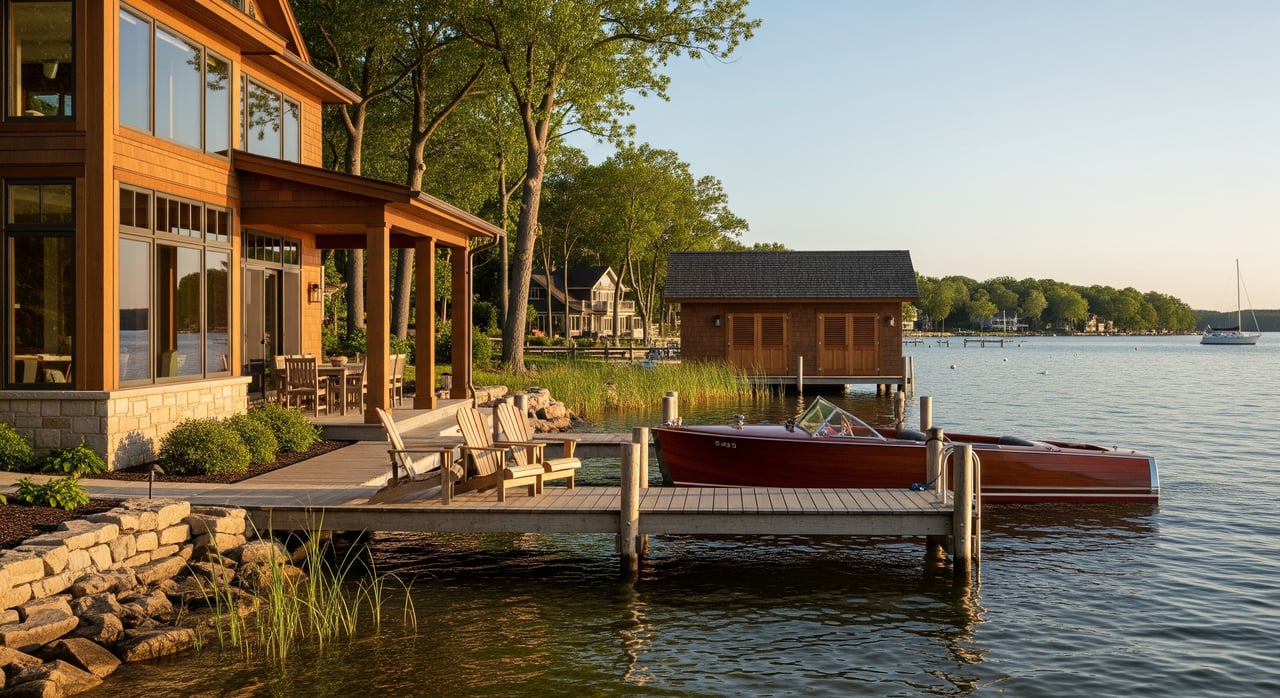
The busiest boating season usually runs from late spring through early fall. You will see pontoons, small powerboats, fishing boats, kayaks, canoes, and sailboats. If you plan to moor a boat, options can include private docks at lakefront homes, seasonal rental slips at marinas, and short-term visitor moorage where available.
Local ordinances regulate dock placement and design, shoreline setbacks, and no-wake or restricted areas. Wisconsin Department of Natural Resources rules apply for boat registration, operator requirements, and safety equipment. Always review posted signage on the lake to stay current on speed limits and swimming zones.
Safety and AIS tips
- Clean, drain, and dry your boat and gear to help prevent aquatic invasive species.
- Carry required life jackets and safety equipment for your vessel type.
- Check local advisories before winter activities and never assume ice is safe.
- Verify seasonal rules, fees, and permits with municipal or county offices.
Parks, beaches, and trails
Village parks around Green Lake commonly feature lakefront lawns or promenades, picnic tables, small beach areas, and playgrounds. They are popular for relaxed afternoons, walking the dog, and casual meetups. Hours, lifeguard coverage, and pavilion reservations vary by park, so check current details before planning a gathering.
You will also find local walking and biking routes with connections into broader county trail networks. In all seasons, these spaces serve as everyday extensions of the lake lifestyle, from sunrise walks to evening strolls.
Everyday amenities and dining
Life in Green Lake balances small-town ease with lake-town energy. You can find essentials like a grocery store, hardware, banking, and a post office in or near town. For major medical centers, specialty shopping, or big-box retail, residents often travel to larger nearby cities.
Dining ranges from year-round staples to seasonal waterfront spots. Expect casual restaurants, cafes for a morning coffee, and laid-back lakeside pubs when the weather is warm. Summer weekends can be busy, so plan ahead if you have a favorite patio table or takeout spot.
Arts, events, and community rhythm
The community calendar reflects the seasons. Summer often brings outdoor concerts, markets, fishing tournaments, boat parades, and holiday fireworks. Shoulder seasons add gallery shows, community arts programs, and smaller gatherings that make it easy to meet neighbors.
Event dates and schedules can shift, so use local visitor and chamber of commerce calendars to confirm what is coming up. If you are relocating or purchasing a second home, try visiting at different times of year to get a full picture of the rhythm that fits your lifestyle.
Housing options around Green Lake
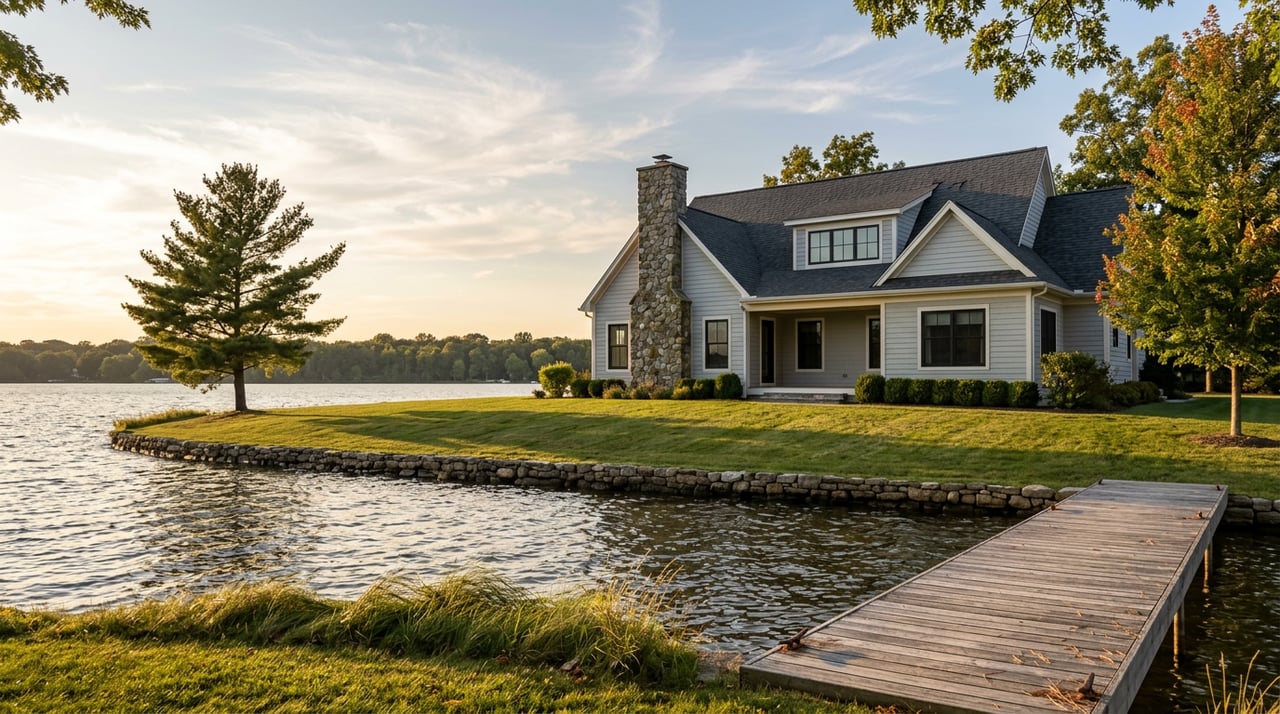
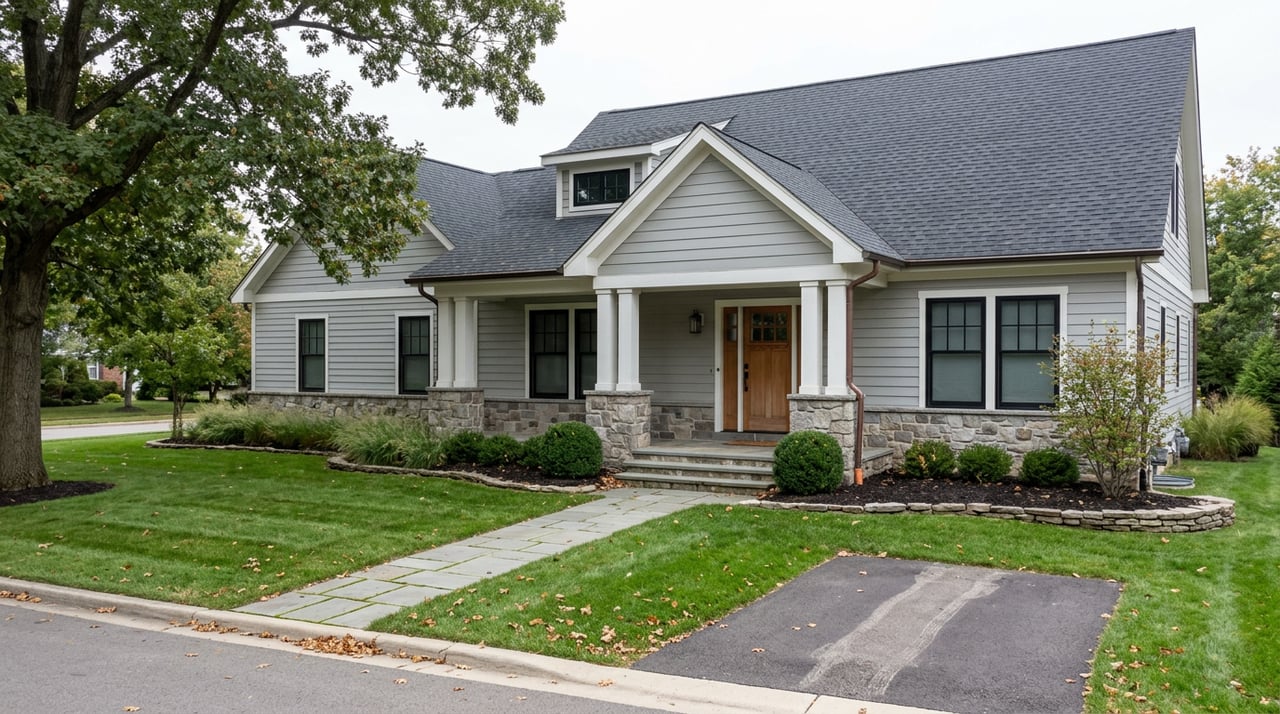
You will find a wide mix of homes around the lake. Lakefront estates and custom properties anchor the shoreline. Near downtown, you can see historic houses, cottages, and bungalows that keep you close to shops and parks. Some areas include condominiums or townhomes, plus seasonal cabins or manufactured homes on the outskirts.
Short-term rentals may exist in the area and can be regulated. If renting your property is part of your plan, confirm current rules, licensing, and tax implications with local authorities before you buy.
Shoreland rules and permits
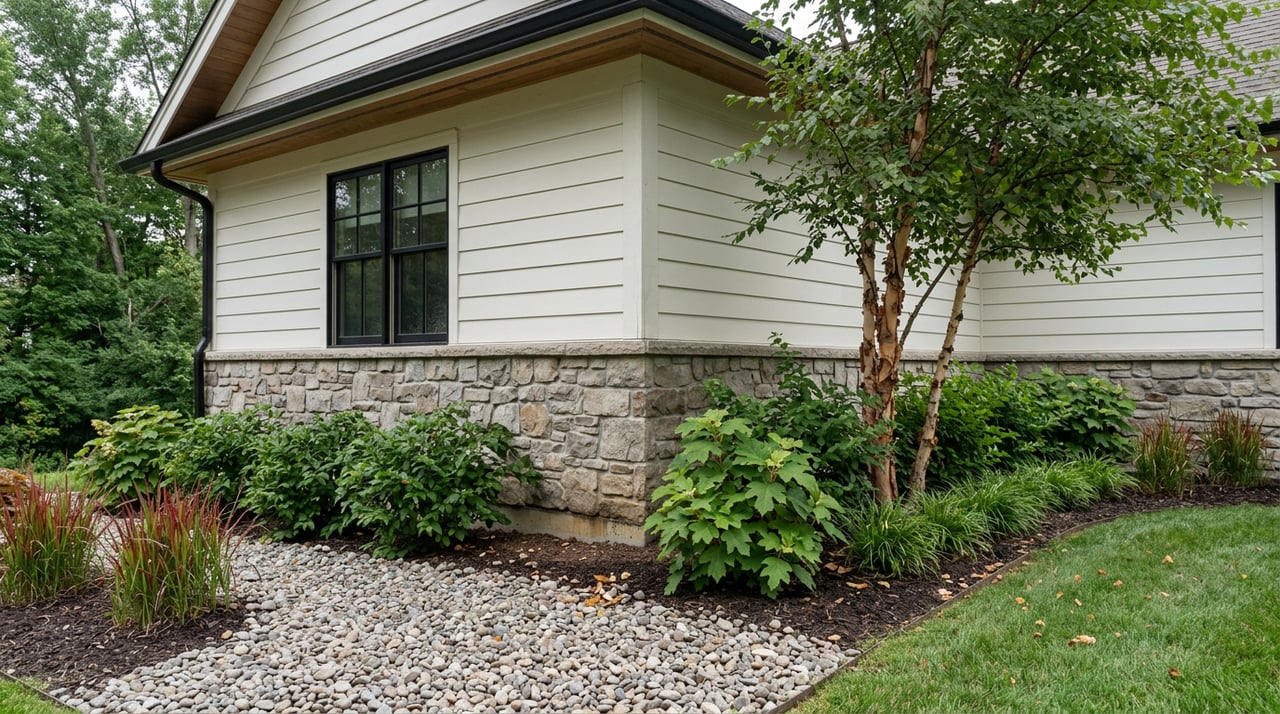
Wisconsin shoreland and county ordinances guide setbacks from the water, impervious surface limits, vegetation removal, and dock specifications. If you are considering renovations, new construction, or shoreline work, connect early with the county zoning office and village building department. Many lake properties use private septic systems, which can affect permits, setbacks, and inspection schedules during a remodel.
Insurance, taxes, and utilities
Some waterfront parcels may be in FEMA flood zones. A flood zone review and a conversation with your insurance agent will help you understand coverage and premiums. For taxes, consult the county assessor for current valuations and rates.
Ask about utility connections and broadband options at each property, especially if you plan to work remotely. If you will not be in residence all winter, plan for winterization of plumbing and docks to protect your investment.
Buying with confidence: a practical checklist
- Visit in each season to understand activity levels, road access, and noise patterns.
- Evaluate docks and shoreline: look at water depth at the dock, stabilization, and condition.
- Inspect foundations, roofing, insulation, heating systems, and septic for older cottages.
- Verify shoreland zoning rules, permits, and any limits on additions or hardscapes.
- Decide on a moorage plan early, whether a private dock, rental slip, or trailered launch.
- Confirm broadband speeds and provider options at the address.
- Review short-term rental rules if you aim to rent your home part-time.
- Plan for winterization, routine maintenance, and property management support if needed.
Why work with Special Properties
When you buy or sell on Green Lake, local knowledge matters. Better Homes and Gardens Real Estate Special Properties is a boutique, community-rooted team with deep experience across the lakefront and nearby towns. Our team model means you get multiple specialists supporting your search or sale, and our franchise-backed marketing gives premium listings the reach they deserve.
Whether you want a low-maintenance in-town cottage, a private lakefront estate, or a flexible second home, we help you align lifestyle goals with smart, compliant decisions on permits, utilities, shoreline, and long-term upkeep. Ready to talk lake life and next steps? Connect with the local team that lives it every day.
Get the Special Advantage — talk with Better Homes and Gardens Real Estate Special Properties today.
FAQs
Where can non-lakefront owners launch a boat in Green Lake?
- Green Lake has public launch facilities and private marinas. For exact locations, parking, and fees, confirm current details with municipal parks and county sources before you trailer in.
When is the typical boating season on Green Lake?
- Activity generally ramps up from late spring through early fall, with the busiest periods in summer and on holiday weekends. Timing can vary with ice-off and ice-on each year.
Are docks allowed, and what permits are needed?
- Dock placement and design are regulated by shoreland zoning and local ordinances. Check county zoning and village building departments for setbacks, dimensions, and seasonal rules before you install or modify a dock.
How seasonal is the community experience?
- Summers feel lively with boating and events, while late fall and winter are quieter. Winter recreation, including ice fishing when conditions allow, keeps the area active at a slower pace.
Is ice fishing common, and is the ice always safe?
- Ice fishing is part of winter culture when conditions permit. Never assume ice is safe; follow local advisories and safety guidance before heading out.
Can I operate a short-term rental at my property?
- Short-term rentals may be present and can be regulated. Contact local municipal offices to verify current licensing, zoning, and tax requirements before renting.
What should second-home buyers budget for beyond the purchase price?
- Plan for property taxes, insurance that reflects waterfront risks where applicable, utilities and broadband, dock and shoreline upkeep, seasonal maintenance, and winterization. If you plan to rent or need caretaking, consider property management costs.
Where do residents go for healthcare and emergencies?
- You will find basic medical offices locally. For full-service hospitals and specialists, residents typically travel to larger nearby cities. Confirm the nearest providers and travel times for your needs.