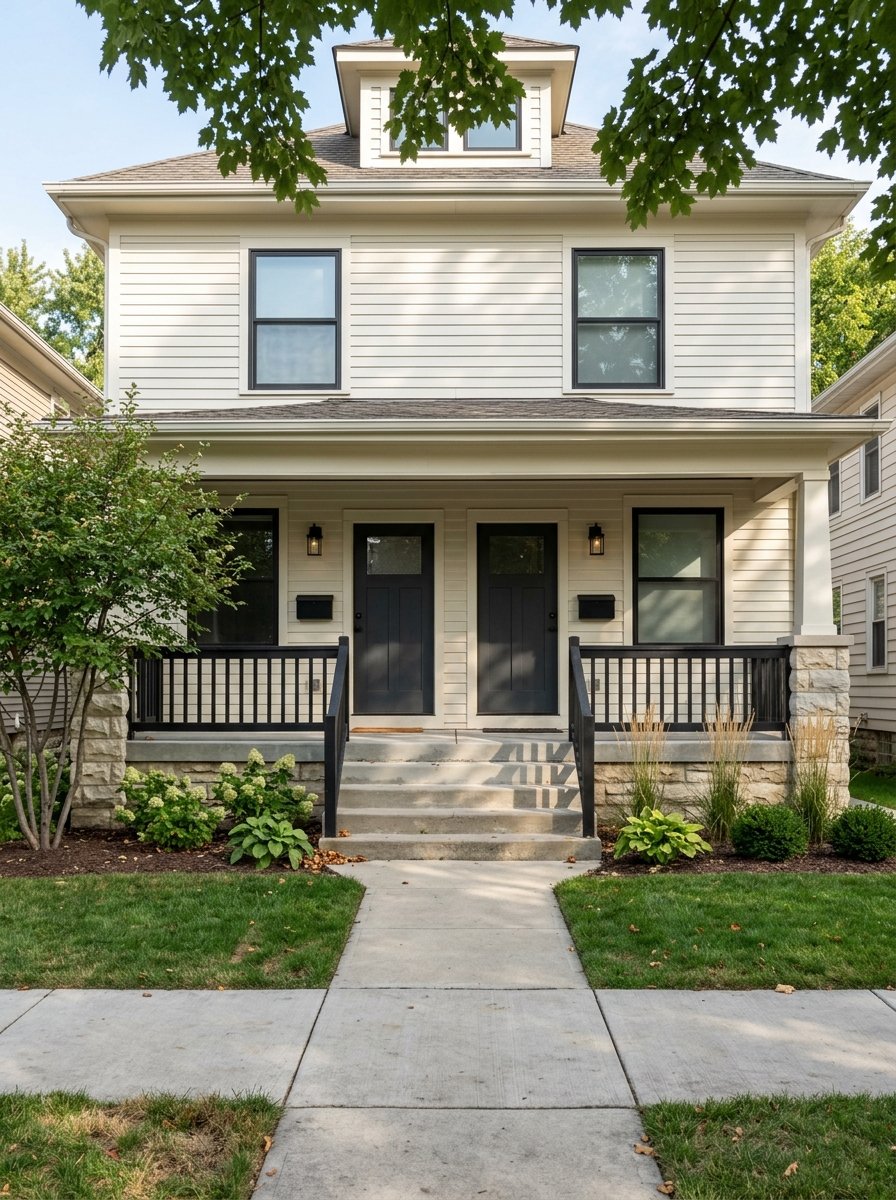
If you are looking at Oshkosh investment properties, student rentals can look promising at first glance. Nearly half of Oshkosh’s occupied housing stock is renter-occupied, and housing demand near UW-Oshkosh gives investors a steady stream of potential tenants. The key is knowing how to read this market beyond the headline rent numbers so you can spot properties that truly fit your goals. Let’s dive in.
Why Oshkosh draws investors
Oshkosh has a rental-friendly profile that gets many investors’ attention. According to U.S. Census QuickFacts for Oshkosh, the city’s 2020-2024 median gross rent was $935, and the owner-occupied housing rate was 55.0%, which means a large share of households rent rather than own.
The city’s planning data adds more context. Oshkosh reported renter-occupied units at 45.0% in 2020, and the city’s housing documents note that rental units are concentrated around UW-Oshkosh and downtown. For you as an investor, that helps identify where student-oriented demand is most relevant.
Vacancy is another reason Oshkosh stays on investors’ radar. The city reported a 5.5% rental vacancy rate in 2020 and describes 5% to 6% as a healthy range, while a 2021 landlord survey showed vacancy closer to 3.3%, according to the City of Oshkosh comprehensive plan update. That tells you the market can tighten quickly when demand picks up.
How student rental demand works
Student demand in Oshkosh is real, but it is not as simple as buying any house near campus. UW Oshkosh reported nearly 12,500 students for fall 2025, which creates a large pool of housing demand connected to the university.
At the same time, the university’s housing policy matters. Most freshmen and sophomores are required to live in residence halls unless they qualify for an exemption. In practical terms, that means much of the off-campus market is made up of upperclassmen, transfer students, commuters, and other exempt students.
That distinction matters when you evaluate risk. A student rental in Oshkosh is often more tied to the academic calendar than a standard long-term rental, so lease timing, renewals, and summer vacancy deserve extra attention.
Where student-oriented rentals fit best
The city’s housing assessment says many rental units cluster around UW-Oshkosh and downtown. The university’s off-campus housing marketplace also notes that most off-campus housing can be found in the city of Oshkosh, with Middle Village identified as the closest neighborhood to campus.
The same university resource says students mainly live in houses off campus, and many landlords begin renewals around mid-September and October for the following year. That means you should expect a leasing cycle that starts earlier than many conventional rentals. If you wait too long to market or renew, you could miss the strongest part of student demand.
For many investors, the most practical property types are:
- Single-family homes with legal occupancy that suits roommate living
- Duplexes
- Small multifamily properties
- Layouts with enough bedrooms and bathrooms to support shared living
In this market, the floor plan matters almost as much as the address.
Why rent numbers need context
One of the easiest mistakes you can make is relying on one citywide rent figure. The Census median gross rent for Oshkosh is lower than many current online asking-rent sources. For example, Zillow lists an average rent of $1,199 across property types, Apartments.com reports January 2026 averages of $888 for one-bedrooms, $1,201 for two-bedrooms, and $1,711 for three-bedrooms, and Realtor.com reports higher citywide and ZIP-level asking rents.
These figures are not directly comparable because they measure different things. Census data reflects occupied housing stock, while online portals focus on currently advertised units. For you, the takeaway is simple: build your pro forma from specific comparable properties, not a single citywide average.
Student rentals may price by the bed
Near campus, some student rentals are marketed differently than standard apartments. UW Oshkosh’s off-campus marketplace shows nearby listings priced at about $380 to $385 per person for some two- to four-bedroom rentals within a short walk to campus.
That is a useful reminder that some Oshkosh investment properties should be analyzed on a per-bed basis, not just a per-unit basis. A four-bedroom house with a workable layout, enough bathrooms, and parking may perform very differently from a two-bedroom property in the same area.
Key rules to check before you buy
Before you get excited about projected rent, make sure the property works legally and operationally. Oshkosh requires residential rental contact registration, and properties in certain neighborhood stabilization and enhancement districts are subject to scheduled inspections.
The city’s housing and inspection rules are especially important for student rentals. According to the city’s rental complaints and inspections page, more than four unrelated people may not occupy a single living unit unless the property is a licensed rooming house. That means your occupancy plan should be confirmed before you write an offer, not after closing.
Parking is another major issue. The city says parking shortages in the university area are widespread, parking in non-designated areas is prohibited, and citations can be $232 per day. If you are evaluating a student rental, off-street parking is not a bonus feature. It is a core part of the property’s value and usability.
What to underwrite carefully
Strong student demand does not automatically mean strong cash flow. A solid underwriting model should include gross scheduled rent, vacancy and credit loss, operating expenses, reserves, and debt service so you can calculate net operating income.
Freddie Mac explains that a cap rate converts NOI into value, while Fannie Mae multifamily guidance highlights factors like property financial quality, physical quality, market conditions, inspections, and sponsor strength. Its example underwriting references a minimum 1.25x debt service coverage ratio and an 80% maximum loan-to-value ratio.
For Oshkosh student rentals, conservative assumptions matter. Because leasing often follows the academic calendar and student turnover can be higher, it makes sense to underwrite with realistic vacancy, repair, and turnover costs rather than best-case numbers.
Property features that support cash flow
When you compare investment properties in Oshkosh, focus on features that affect both lease-up and long-term operations. A property that looks affordable upfront can become expensive fast if it has layout issues, heavy deferred maintenance, or weak parking.
Here are some of the most important filters to use:
- Legal occupancy limits
- Off-street parking availability
- Bedroom and bathroom count
- Deferred maintenance
- Durability of finishes
- Layout that works by bedroom or by unit
- Tax and insurance impact on monthly cash flow
Property taxes deserve close attention as well. The City of Oshkosh assessor notes that local tax bills are influenced by multiple taxing bodies and that the city went through a 2025 revaluation cycle. If you are buying based on today’s seller-paid taxes without modeling future tax changes, your numbers may be too optimistic.
Why local guidance matters
In a market like Oshkosh, small details can make a big difference. Two houses that look similar online may perform very differently once you factor in legal occupancy, parking, turnover, repair needs, and whether the layout really works for roommates.
That is where a local real estate team adds value. Instead of stopping at list price and rent guesses, you can compare realistic comp rents, review the likely lease strategy, and pressure-test the numbers before you commit. For investor buyers, that local context can help you avoid costly surprises.
Whether you are considering your first student rental or adding another property to your portfolio, working with Better Homes and Gardens Real Estate Special Properties can help you evaluate Oshkosh opportunities with a practical, local lens.
FAQs
What makes Oshkosh attractive for investment properties?
- Oshkosh has a large renter population, a university-driven housing market, and rental concentration near campus and downtown, all of which can support investor demand.
What should you know about UW-Oshkosh student rental demand?
- Student demand is shaped by UW-Oshkosh housing rules, so many off-campus renters are upperclassmen, transfer students, commuters, or students with exemptions rather than all enrolled students.
What occupancy rule matters for Oshkosh student rentals?
- In Oshkosh, more than four unrelated people cannot occupy a single living unit unless the property is licensed as a rooming house.
Why is parking so important for Oshkosh student rentals?
- The city reports widespread parking shortages near the university area, and parking violations in non-designated areas can lead to significant daily citations.
How should you estimate rent for Oshkosh investment properties?
- Use specific comparable rentals and property-level analysis, because Census rent data and online asking-rent data measure different parts of the market.
When do Oshkosh student rentals usually lease?
- Many landlords near UW-Oshkosh begin renewals around mid-September and October for the following school year, so leasing often follows the academic calendar.