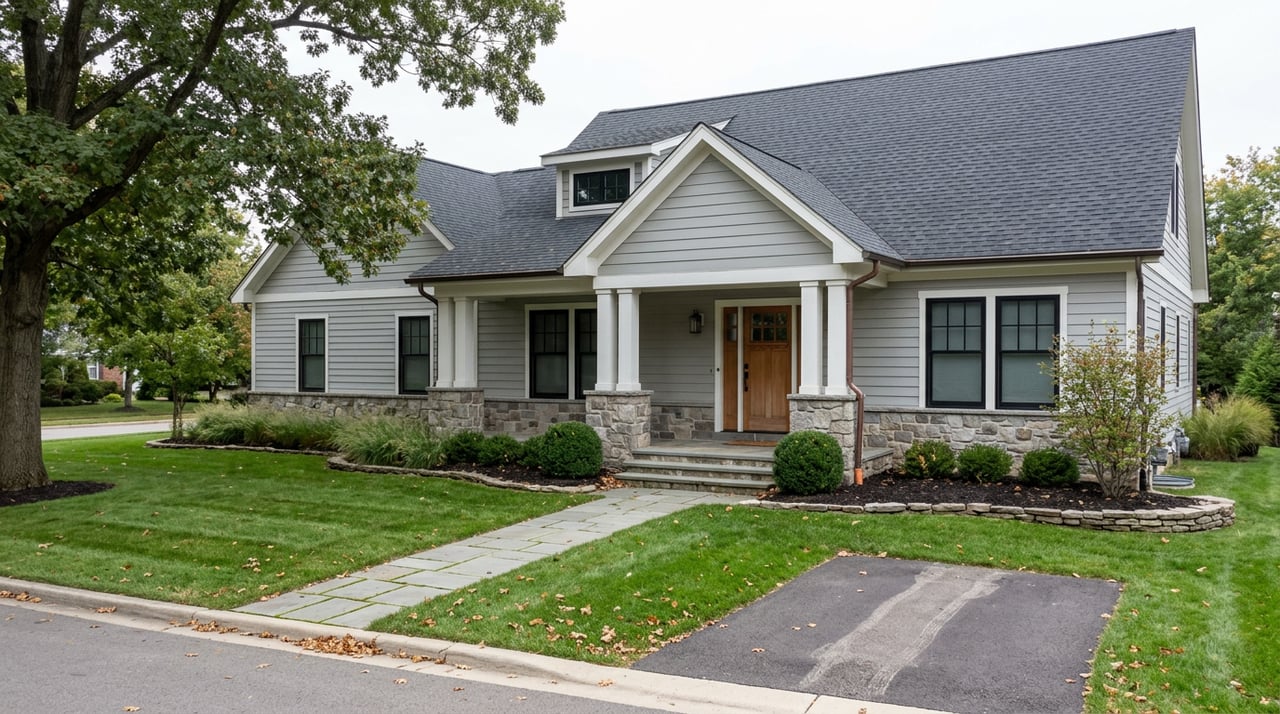
Looking to buy a home in Ripon but not sure how this small-town market behaves? You are not alone. Ripon’s inventory, seasonality, and buyer competition follow a rhythm that looks different from larger metro areas. In a few minutes, you will learn which numbers matter, how to time your search, and practical strategies that help you write a winning offer without overspending. Let’s dive in.
Why Ripon’s market is unique
Ripon is a small city in Fond du Lac County with a strong small-town housing profile. You will see fewer new listings each month and a higher share of single-family homes compared with larger nearby cities. This means each new listing can draw quick attention, especially when it shows well and is priced right.
Local institutions shape demand and timing. Ripon College and Ripon Public Schools influence move cycles tied to academic calendars, including faculty hires and family moves. Some buyers also commute to jobs in Fond du Lac, Oshkosh, and other Southeastern Wisconsin employment hubs, trading a longer drive for a quieter setting and often lower price points.
You will find a mix of older Midwestern homes and a few newer subdivisions at the edges of town. Condominiums and multifamily options are less common than in larger cities. On some older parcels, you may see private wells or septic systems, and basements are typical in Wisconsin homes. Property taxes, school considerations, and municipal services such as snow removal and road maintenance often play a role in purchase decisions, especially for buyers weighing new construction or small renovations.
Key numbers to watch
Understanding a few core statistics will help you make sense of what you are seeing online and during showings.
Median price and price per square foot
Median sale price shows the midpoint of recent sales. It is useful because a few unusually high or low sales will not skew the number as much as an average would. Price per square foot can help you compare within Ripon and with nearby towns, as long as you adjust for differences in lot size, condition, and updates.
Inventory and months of supply
Active inventory is the number of homes for sale. Fewer active listings usually means more competition for the best homes.
- Months of supply formula: Active listings divided by average monthly closed sales.
- How to read it:
- Less than 3 months = tighter seller’s market
- 3 to 6 months = more balanced conditions
- More than 6 months = softer, buyer-friendly market
When months of supply is low, be prepared to act fast on the homes you love. When it rises, you may gain negotiating power.
Days on market and sale-to-list ratio
Median days on market (DOM) shows how quickly homes are going under contract. Short DOM suggests rising competition; longer DOM signals more time to decide. The sale-to-list price ratio compares the final sale price to the list price. Numbers near or above 100 percent often point to multiple offers or strong pricing power for sellers.
- Sale-to-list ratio formula: Final sale price divided by original list price, multiplied by 100.
- Example reading: 101 percent implies buyers paid slightly above list on average.
New listings vs. closings
Watch how many new listings arrive each month compared with the number of closings. When new listings outpace closings, buyers see more choices and pressure can ease. When closings catch up or surpass new listings, the selection tightens and competition tends to increase.
Where to find reliable Ripon data
The most accurate, timely data comes from the local MLS. Work with a local REALTOR to get neighborhood-level reports and rolling 90-day or 12-month snapshots. For broader context, Wisconsin Realtors Association materials and regional reports can help you see statewide and regional trends. When you need property-specific facts, Fond du Lac County assessor and recorder records will show tax history and past sales. The City of Ripon website is useful for permits and municipal services, and Ripon College and the local school district offer helpful community context. You can also look at U.S. Census data for long-term housing and population trends.
When numbers seem mixed, compare 30-day, 90-day, and 365-day views side by side. Short windows can swing when there are only a handful of sales, so rolling averages give you a more stable read.
Seasonality: best times to shop
Ripon follows a small Midwestern seasonal cycle. Plan your approach based on whether you value choice, speed, or negotiation room.
- Spring (March to June): The busiest listing season. You will see more homes and more buyer traffic, which can mean faster sales and stronger sale-to-list ratios. It is the best time for selection but expect competition.
- Summer (June to August): Still active, though it can taper as families finish moves tied to the school year. Some buyers pause for travel and you may find more breathing room by late summer.
- Fall (September to November): Cooler pace with fewer new listings. Sellers who need to move before winter may be more open to concessions.
- Winter (December to February): Slowest season with fewer listings and fewer buyers. If you can be flexible, winter often brings longer DOM and better negotiating room on price or concessions.
For the broadest choice, start your search in late winter so you are pre-approved and ready when spring listings hit. If you want the best shot at concessions, late fall and winter can work well if you are patient about selection.
Strategies for first-time and move-up buyers
Get fully pre-approved and set your budget
Pre-approval is stronger than pre-qualification. It signals to sellers that your financing is vetted and ready, which can boost your offer in a multiple-offer scenario. If you are a first-time buyer, research state-level assistance such as WHEDA programs for down payment help or favorable loan terms. Build a budget that includes principal and interest, property taxes, homeowners insurance, and a maintenance cushion.
Write offers that fit a small-town market
In a close-knit market like Ripon, terms and communication matter. Ask your agent about common seller expectations for repairs, timing, and local norms.
- Keep your offer clear and clean, with realistic inspection contingencies.
- Be flexible on closing dates when you can.
- Align earnest money and timelines with the seller’s needs.
- Use escalation clauses only when there is confirmed competition and you have a cap you are comfortable with.
In slower seasons, you may be able to negotiate price reductions, closing cost credits, or allowances for repairs.
Plan inspections that match local housing
Older homes may come with private wells, septic systems, or older heating equipment. Order specialized inspections when they apply, such as well, septic, and radon inspections. If you are looking near lakes, rivers, or low-lying areas, ask your agent to review zoning and floodplain maps through Fond du Lac County so you understand risk and insurance needs. Shop homeowners insurance quotes early so your monthly budget is accurate.
Renting now? Map your timing
If you are moving from a rental, start with your lease date. A 90 to 120 day cushion is a practical window to find a home, get under contract, and close. Build in room for inspections, appraisal, and any lender conditions. Compare your current rent with a full ownership budget that includes taxes, insurance, utilities, and a maintenance reserve. If your lease ends before you find the right home, consider a short-term extension or a month-to-month plan rather than rushing into a purchase.
How to read mixed signals
Small markets can produce odd-looking data when the number of monthly sales is low. You might see a rising price index at the same time DOM is climbing. That can happen if a few high-priced homes closed while most other listings took longer to sell. Before you jump to conclusions, check these:
- Compare 30-day numbers with 90-day and 365-day rolling trends.
- Look at the number of sales in each price band, not just an overall median.
- Confirm the count of active listings and new listings month over month.
This cross-check helps you spot short-term noise and adjust your expectations for negotiation, timing, and offer strength.
A simple market math toolkit
Use these quick references during your search so you stay grounded.
- Months of supply: Active listings divided by average monthly closed sales. Less than 3 points to a seller’s market. Three to six is more balanced. More than 6 favors buyers.
- Sale-to-list ratio: Final sale price divided by list price, times 100. About 100 percent suggests list prices and sale prices are aligned. Above 100 percent often signals bidding pressure.
- DOM check: Compare today’s median DOM with the 12-month median. Longer DOM usually means more buyer leverage; shorter DOM means you should prepare to act faster.
Your next steps
- Get a full mortgage pre-approval and a clear monthly budget.
- Ask for an MLS-backed Ripon market snapshot covering the last 90 and 365 days, plus a current active-inventory check.
- Set up listing alerts that match your must-haves and price range.
- Tour early and often in spring if you value choice; lean into late fall and winter if you value negotiating room.
- Build an offer plan with your agent that covers inspections, timelines, and a walk-away number you are confident in.
When you are ready to talk strategy or want a current Ripon market read, our local team is here to help. Connect with Better Homes and Gardens Real Estate Special Properties. Get the Special Advantage — Talk with our team today.
FAQs
What is a good months of supply for Ripon buyers?
- Less than 3 months means a tighter seller’s market, 3 to 6 months is more balanced, and more than 6 months is more buyer-friendly.
When do most Ripon homes hit the market?
- Spring is the busiest listing season, with strong buyer traffic and faster sales, followed by steady summer activity that usually tapers by late summer.
How can I time my lease end with a Ripon home purchase?
- Plan for a 90 to 120 day window from search to close, and consider a short-term lease extension if needed so you do not rush a decision.
Are well and septic inspections common near Ripon?
- Yes, especially for older or edge-of-town parcels; include specialized inspections like well, septic, and radon when they apply.
How do property taxes affect affordability in Ripon?
- Property taxes flow into your total monthly cost, so verify current assessments and mill rates early to confirm your true budget.