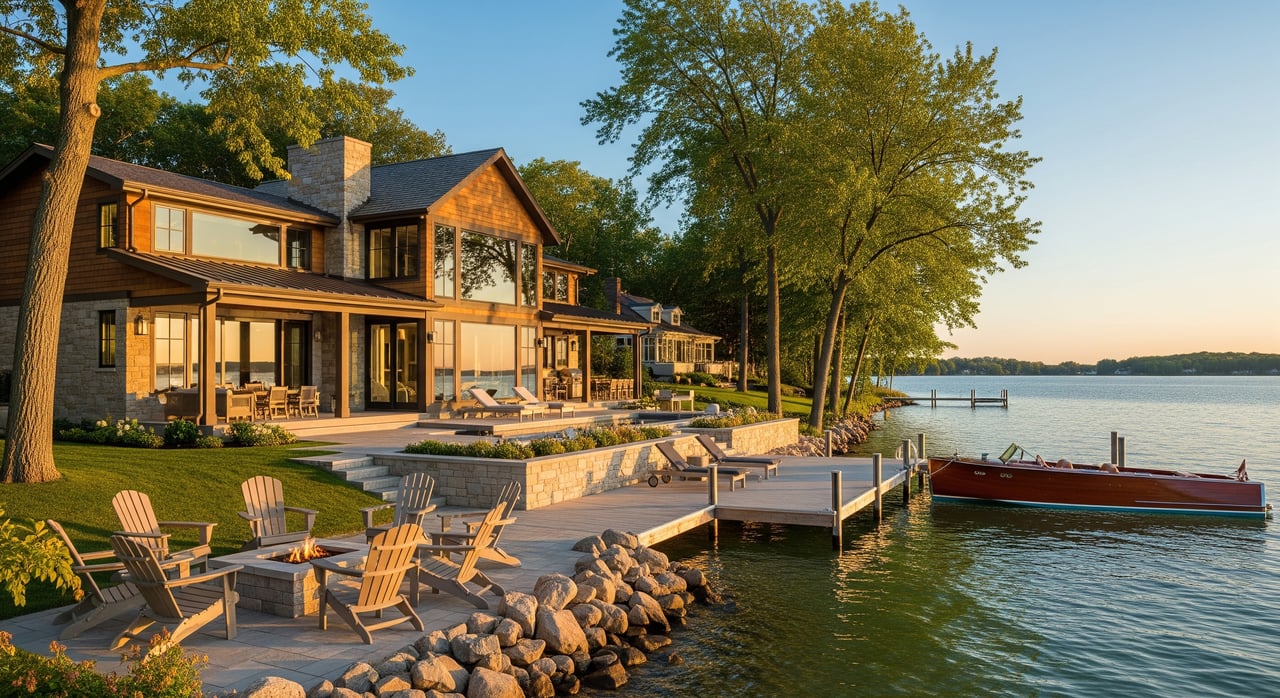
You can almost feel the morning calm on Green Lake: a quiet pier, a warm mug, and the first boat of the day cutting across glassy water. If you are drawn to that scene, the next big question is simple: should your Green Lake place be a weekend retreat or your full-time home? Both paths can work beautifully. The right choice comes down to how you plan to live, what costs you are comfortable carrying, and a few local rules that matter on the shoreline. In this guide, you will compare costs, lifestyle, and logistics so you can move forward with confidence. Let’s dive in.
Primary vs. second home at a glance
Primary residence
- Suits you if you want year-round lake living, reliable utilities, and daily routines anchored here.
- Puts a premium on commute viability, internet reliability, schools, and healthcare access.
- May qualify you for certain residency-tied programs or credits at the state level, depending on rules and income.
Second home
- Suits you if you want a seasonal base for boating, fishing, and summer gatherings.
- Often involves winterization, occasional vacancy, and possibly rental potential during peak months.
- Insurance, maintenance, and management work differently when you are not here full time.
Cost differences that matter
Purchase price and resale
Waterfront on Green Lake typically carries a premium because shoreline, dock rights, water depth and clarity, and year-round utilities are limited and in high demand. Inventory and pricing can be more seasonal, with more listings arriving in late spring and summer. If you plan to sell in the future, unique lake features often drive resale value more than interior finishes.
Property taxes and credits
Property taxes in Wisconsin are based on assessed value at the county or municipal level. Your tax rate is the same whether the home is primary or second, but some state or local credits and programs can be tied to primary residency and income. Ask the Green Lake County assessor about the current assessed value and how land vs. improvements are apportioned, especially on waterfront parcels.
Insurance and vacancy
Insurers often view seasonal homes differently than full-time residences. Expect questions about vacancy periods, winterization steps, and on-site monitoring. Waterfront exposure can change premiums due to wind and occasional flooding risk. Confirm whether your specific address sits in a flood zone and what endorsements or separate flood coverage may be required.
Utilities and maintenance
Year-round living means steady usage for heat, electricity, and water or septic. Some older lakeshore homes use propane or oil, which adds delivery planning and cost. As a seasonal owner, you will budget for winterization, snow removal, dock installation and removal, shoreline upkeep, and periodic checks when you are away.
Rental income potential
Summer demand can make short-term rentals appealing, but the math depends on your location, property type, local rules, and management approach. You will factor in cleaning, turnovers, maintenance, local lodging taxes or registrations, and potential wear and tear. Run conservative revenue and expense estimates before counting on rental income.
Federal capital gains when you sell
If a property is your primary residence and you meet federal ownership and use tests, you may be able to exclude part of your gain when you sell. Second homes generally do not qualify unless they become your primary home and meet those tests. Confirm details with a tax professional before you set a plan.
Lifestyle and daily living
Commute and connectivity
Whether Green Lake works as a full-time base often comes down to where you work and your ability to work remotely. Regional employment centers include Ripon, Oshkosh, and Fond du Lac, with Madison a longer commute for some. If you plan to be here year round, test internet speeds and cell coverage at the exact address before you buy.
Schools and family logistics
If you have school-age children, review school district boundaries, bus routes, extracurriculars, and drive times. Keep language neutral and focus on fit for your family’s needs. If childcare or specialized programs are important, map those options early.
Healthcare and emergency care
Confirm your typical drive times to urgent care, hospital services, and pharmacies. For specialized care, you may travel to larger nearby cities. Year-round living puts a premium on reliable access.
Community life and services
Green Lake comes alive in late spring and summer with boating, events, and visitors. In quieter months, you will find space, scenery, and a more relaxed pace. Year-round residents often engage in civic life, lake associations, and local boards. Seasonal owners typically participate during peak months and support the local economy in a different rhythm.
Seasonal maintenance and access
Winter brings practical considerations. Plan for snowplowing, safe heating settings, and protection against frozen pipes or septic issues. Full-time residents can address these in real time, while second-home owners often hire local contractors or property check services.
Social scene and privacy
Summer weekends can be lively, especially near public access points and popular coves. Full-time living spreads out activity and can offer more day-to-day quiet outside peak season. If you value privacy, weigh lot size, shoreline orientation, and local boat traffic.
Legal and environmental items to verify
Shoreland zoning and septic
Shoreland rules shape what you can build or modify along the water, including setbacks, impervious surface limits, and boathouse guidelines. Many lakeshore homes rely on on-site wastewater systems. Before you buy, obtain septic inspection records and understand any maintenance or replacement requirements.
Docks, piers, and watercraft rules
Docks and shoreline structures are governed by state and local rules, and sometimes by lake or homeowner associations. Ask about permits, shared or assigned mooring, no-wake zones, and any seasonal installation requirements.
Floodplain and erosion risk
Some shoreline parcels fall within FEMA-designated flood zones, and erosion risk varies by shoreline and exposure. Confirm flood status for the exact parcel and ask about any history of high-water impacts or shoreline stabilization.
Short-term rental regulations
Rules for vacation rentals vary by municipality and sometimes by zoning district. You may need a registration, inspection, and room tax remittance. Verify current rules before you advertise or accept bookings, and monitor any proposed changes.
Water, wells, and municipal services
Many lakeshore properties use private wells and septic. Test water quality, confirm well capacity, and review any treatment systems. Ask how trash and recycling are handled, what snow removal looks like on your road, and whether utilities are sized for full-time use.
How to choose: a quick framework
Use this simple filter to clarify your best fit.
- If daily commute, school logistics, and healthcare access are top priorities, lean toward a primary residence plan and shop for year-round utilities and strong internet first.
- If summer memories and occasional winter getaways are the goal, lean toward a second home and plan for winterization, property checks, and dock services.
- If investment is central, model both paths. Compare likely appreciation, operating costs, possible rental income, and tax outcomes with your advisor.
Buyer checklist for Green Lake
- Visit in summer and in winter to gauge access, lake traffic, and service availability.
- Test internet speed and cell coverage at the property address.
- Drive your commute during peak hours to confirm realistic times.
- Review the latest property tax bill and assessment history with Green Lake County.
- Ask about floodplain status and any shoreline erosion history.
- Get current septic inspection records and a well water test; estimate replacement or upgrade costs if needed.
- Confirm insurance availability and premiums for seasonal vs. full-time occupancy.
- Verify short-term rental rules and any required registrations or room taxes.
- Talk with neighbors about seasonal noise, events, and winter road maintenance.
- If you plan to rent, research comparable rentals and conservative occupancy assumptions, but confirm legality first.
When a second home becomes your primary
Many buyers start with a weekend retreat and transition to full time later. If that is your plan, shop with the future in mind. Prioritize year-round utilities, reliable internet, garage or storage for winter gear, and layouts that suit daily routines. Track local rules and tax implications so the switch is smooth when the time comes.
Your local partner on Green Lake
Choosing between a primary residence and a second home is personal, but it should not be confusing. Our team lives and works here, helps clients buy across price points, and understands the parcel-by-parcel details that drive success on Green Lake. When you are ready to compare options, tour in every season, and make a confident plan, we are here to help.
Connect with the lakefront specialists at Better Homes and Gardens Real Estate Special Properties. Get the Special Advantage. Talk with our team today.
FAQs
What should I consider before making a Green Lake home my primary residence?
- Prioritize commute feasibility, reliable internet, school logistics, healthcare access, and year-round utility capacity before you commit.
How do property taxes differ for primary vs. second homes in Wisconsin?
- Tax rates are the same, but some programs or credits may require primary residency and are influenced by income; confirm details with the county and a tax professional.
What extra costs come with owning a seasonal lake home on Green Lake?
- Budget for winterization, snow removal, dock installation and removal, shoreline upkeep, and potentially higher insurance due to vacancy and waterfront exposure.
Can I use short-term rentals to offset costs on Green Lake?
- Possibly, if local rules allow; you may need registration, inspections, and lodging tax remittance, and you must plan for cleaning, maintenance, and guest support.
Do I need flood insurance for a Green Lake waterfront property?
- It depends on parcel-specific flood zone status; check the property’s designation and discuss coverage options with your insurance agent.
What should I verify about septic and wells before closing on a Green Lake home?
- Obtain septic inspection records, confirm maintenance requirements, test well water quality, and estimate replacement or upgrade costs if systems are older.
Will my mortgage options change if I buy a second home instead of a primary?
- Yes, lenders often apply different underwriting standards to second homes, which can affect down payment, interest rate, and reserves; consult a lender early.